tralinggigs
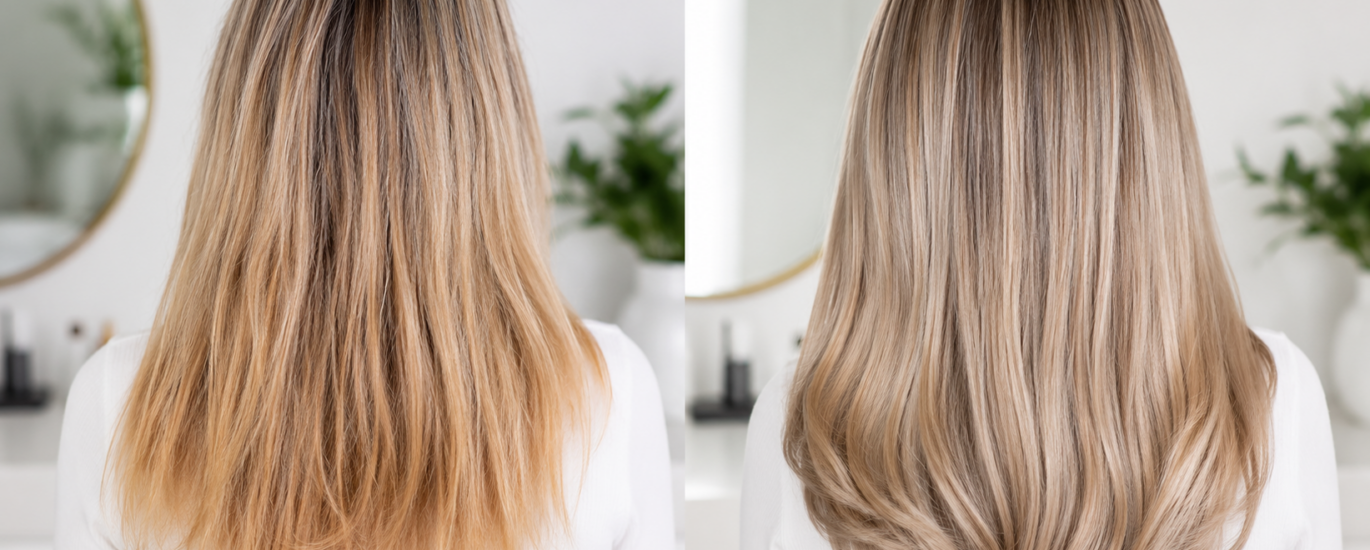
I remember the exact moment I realized my freshly bleached hair had gone completely wrong. I had spent an entire Saturday afternoon lifting my brunette hair to what I hoped would be a cool, ashy blonde. What I got instead was a shade I can only describe as aggressively yellow somewhere between a highlighter marker and overripe banana. I sat in my bathroom staring at my reflection, genuinely unsure whether to laugh or cry.
Then a friend of mine someone with the most impeccably cool-toned platinum hair I had ever seen texted me back a single word when I sent her a photo: “Toner Hair Before and After.”
That one word changed everything. Within forty-eight hours I had researched, purchased, applied, and rinsed my first hair toner, and the before-and-after transformation was so dramatic that I photographed it obsessively. The brassy yellow was gone. In its place was a soft, creamy blonde that looked like I had paid three times what I actually spent. I was completely hooked.
If you are reading this with similarly chaotic-looking hair, or simply with curiosity about what toner actually does and whether it is right for your situation, this guide is everything I wish I had found that Saturday afternoon. I am going to walk you through the science, the selection process, the application steps, the real transformation results you can expect, and the expert-level aftercare that keeps the color looking perfect for as long as possible.
Understanding why toner works makes the entire process feel far less intimidating and far more controllable. When I finally grasped the logic behind it, I stopped guessing and started getting consistent results.
Hair toner works on the principle of color theory specifically, the color wheel. Every unwanted warm tone that appears in lightened hair has a direct opposite on the color wheel, and toner works by depositing sheer pigment in that opposite color to neutralize the brassiness. The two tones cancel each other out, leaving behind a balanced, cooler, more refined result.
Purple pigment sits directly opposite yellow on the color wheel. This is why purple toner is the go-to solution for blonde hair that has gone too yellow or golden. The purple deposits neutralize the yellow, shifting the overall tone toward a cooler, more platinum or ash result.
Blue pigment sits opposite orange. When hair is lifted from a darker brunette base, orange brassiness is the most common result because of the underlying red-orange pigments in darker hair. Blue toner directly cancels those orange tones, pushing the color toward a cleaner, cooler blonde or a smoky ash brunette.
Blue-green pigment addresses reddish-orange undertones a subtler version of orange that often appears in balayage or partially lightened brunette hair. Ash toner is a broader category that neutralizes both yellow and orange simultaneously, making it versatile for mixed-tone situations.
Silver toner enhances grey hair by removing the dullness that can make grey hair look washed out rather than luminous. It restores the cool, bright, dimensional quality that natural grey hair has in its best condition.
What toner does not do is lift or lighten. It is a translucent color glaze that adjusts the undertone of hair that has already been lightened. If you put toner on dark, unlightened hair, you will see no result because the dark pigment completely blocks any tonal shift. This is a mistake I made early on, attempting to tone sections of my hair that had not been sufficiently lightened first, and getting exactly nothing for the effort.
You will also like the DIY lip gloss.
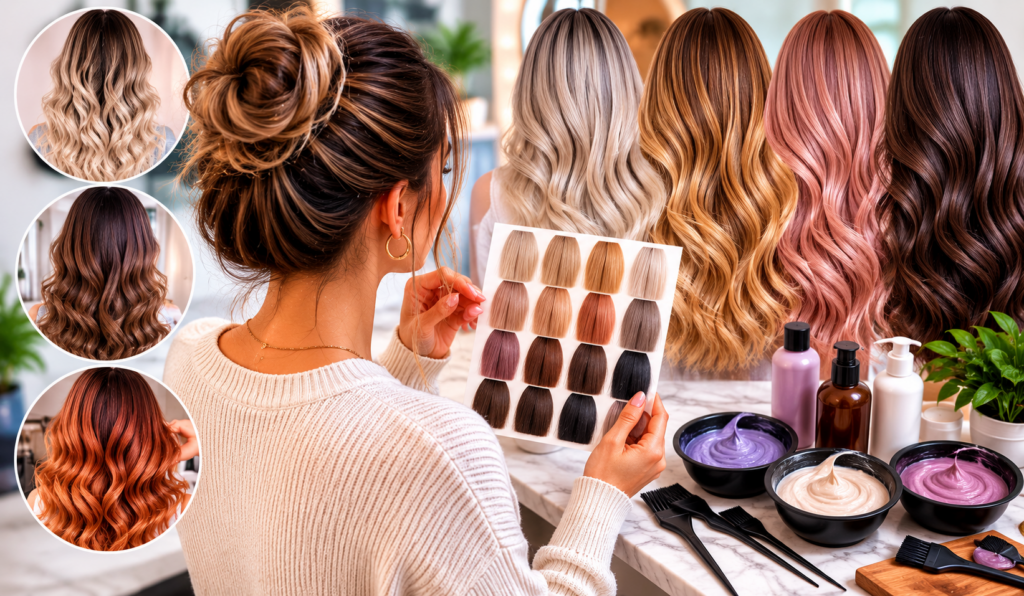
The most common mistake people make with toner is choosing the wrong one for their specific brassiness level. I have made this mistake myself, applying purple toner to hair that was actually orange not yellow and ending up with a muddy brownish result instead of the cool blonde I wanted. Choosing correctly changes everything.
The first step is identifying the actual color of the brassiness you are trying to correct, in natural lighting, without any filters. This matters enormously because the toner you need depends entirely on what specific undertone is showing in your hair.
If your bleached hair is pale yellow to golden yellow, you need a purple-based toner. This is the most common scenario for blonde hair that has been lightened from a medium or light brunette base. Purple toner is also the choice for platinum, ash blonde, ice blonde, or silver blonde goals.
If your hair is showing orange to bright copper tones, you need a blue-based toner. This is typical when dark brunette hair is lifted without enough bleaching passes, leaving strong orange pigment in the mid-lengths. Blue toner is significantly more powerful than purple and is the correct choice specifically for orange purple toner will barely make a dent on that intensity.
If you are seeing a reddish-orange or warm auburn tone in highlighted sections, a blue-green toner or an ash-green additive mixed into another toner base will address those specific undertones more effectively.
If your hair is sitting in a warm golden zone not quite yellow, not quite orange, somewhere in between an ash toner is often the most forgiving choice because it neutralizes across that entire warm-to-orange spectrum.
For grey or silver hair that has gone dull or developed a yellow cast from product buildup, mineral deposits, or sun exposure, a violet or silver toner restores the luminous, bright quality that makes grey hair look intentional rather than neglected.
Demi-permanent toner is my personal recommendation for at-home use. It contains no ammonia, which means it will not cause additional damage to already-processed hair, and it fades gradually over four to six weeks rather than leaving a hard, visible line of demarcation as a permanent toner might. For dramatic transformations platinum blonde from very dark hair, for example a permanent toner applied by a professional is the more reliable choice.
You will also like the MIDI piercing.
I want to talk honestly about transformation expectations because social media before-and-after photographs are often misleading in ways that set people up for disappointment.
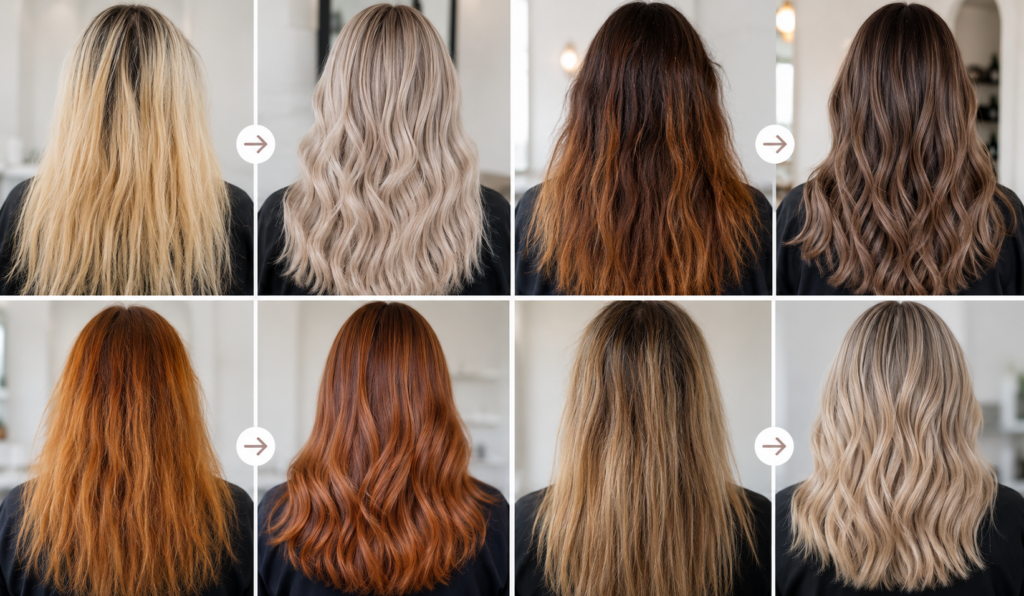
The most striking transformations bleached yellow blonde shifting to icy platinum, orange hair becoming a clean champagne are real. I have experienced dramatic shifts myself in a single toning session. However, these results require the hair to have been lifted to a sufficient level first. A very yellow result can shift beautifully to cool blonde in one application. But stubborn orange hair that has not been lifted past level six on the standard hair lightness scale will need additional bleaching before toner can achieve a dramatic cool result.
Here is what genuinely happens in a well-matched toning session. Color correction is often immediate the yellow or orange cast visibly disappears during the rinsing process, which is one of the most satisfying visual moments in any at-home color session. The overall finish becomes shinier because toner smooths the cuticle as it deposits pigment, causing hair to reflect light more evenly. Patchy, streaky color blends into a more uniform result. The texture often feels softer because many toner formulas include conditioning agents.
In terms of specific transformations by hair goal: blonde hair moves from banana yellow to cool platinum or creamy champagne. Brunette highlights shift from orange-copper toward caramel, ash brown, or sandy beige. Grey hair moves from dull, flat silver to bright, dimensional, luminous grey. Balayage or highlighted brunette hair gains a more polished, intentional finish where the lightened sections sit in cooler, more refined tones against the darker base.
The timeline for results is also worth discussing. A well-formulated demi-permanent toner applied at home typically lasts four to eight weeks before the cool tones begin to fade back toward warmth. This fading is gradual rather than abrupt, which is one of the advantages of demi-permanent over permanent formulas at home.
After numerous toning sessions, I have developed an application process that consistently delivers even, professional-looking results. The details matter more than most people realize.
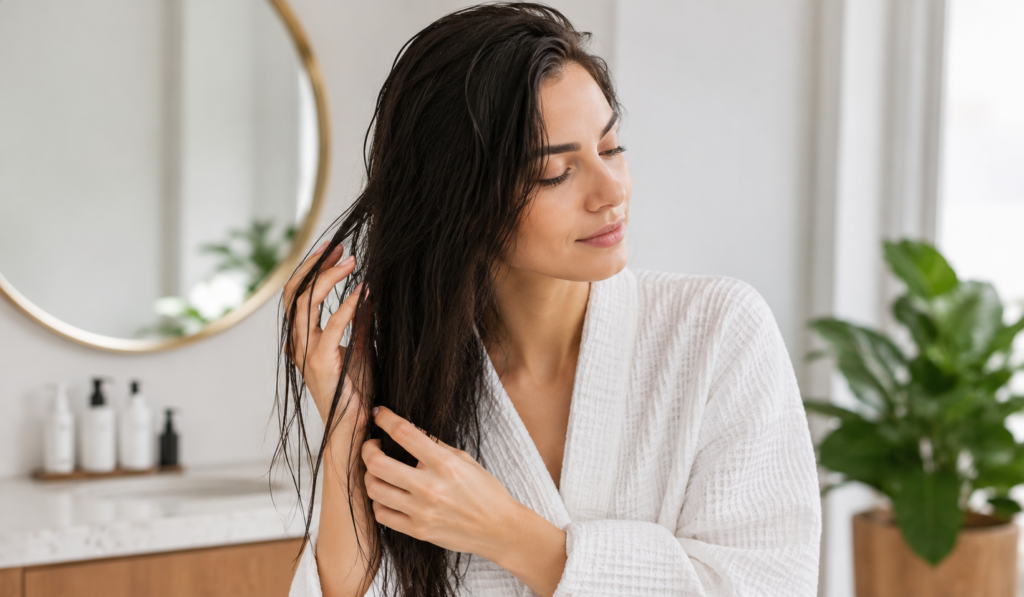
Start with hair that is clean but not freshly washed on the same day. I wash my hair the evening before a toning session. Toner needs some natural oil on the scalp to protect from irritation, but too much product buildup on the hair itself can create an uneven result. Towel dry until the hair is damp but not dripping damp hair allows even distribution while preventing the toner from becoming too diluted.
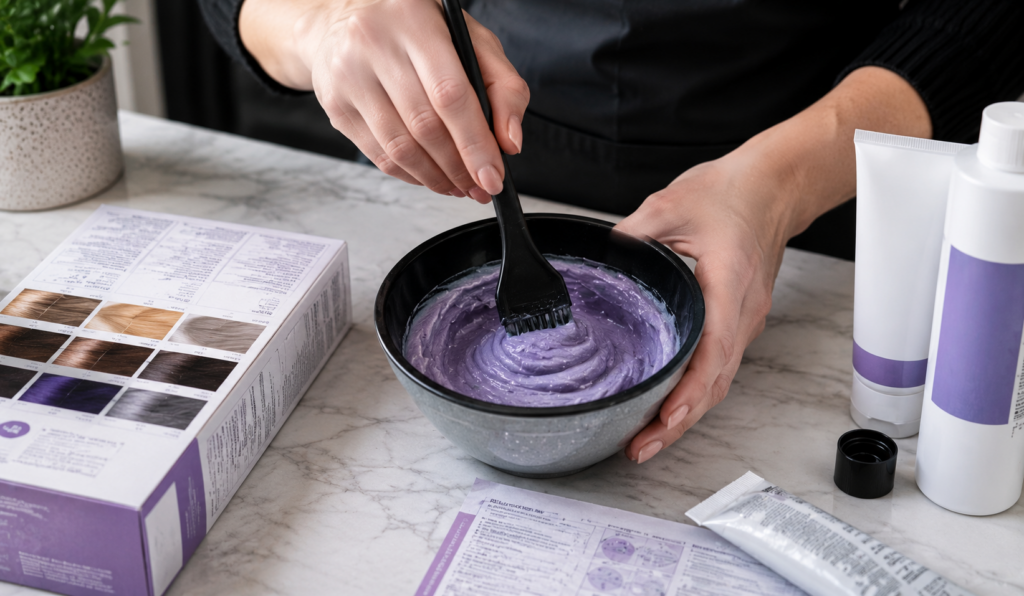
Mix the toner according to package instructions. Most demi-permanent toners are mixed with a low-volume developer, typically ten or twenty volume. Higher developer volume increases the processing speed but can cause more dryness in already-processed hair. I always use ten volume for a gentler, more controlled result.
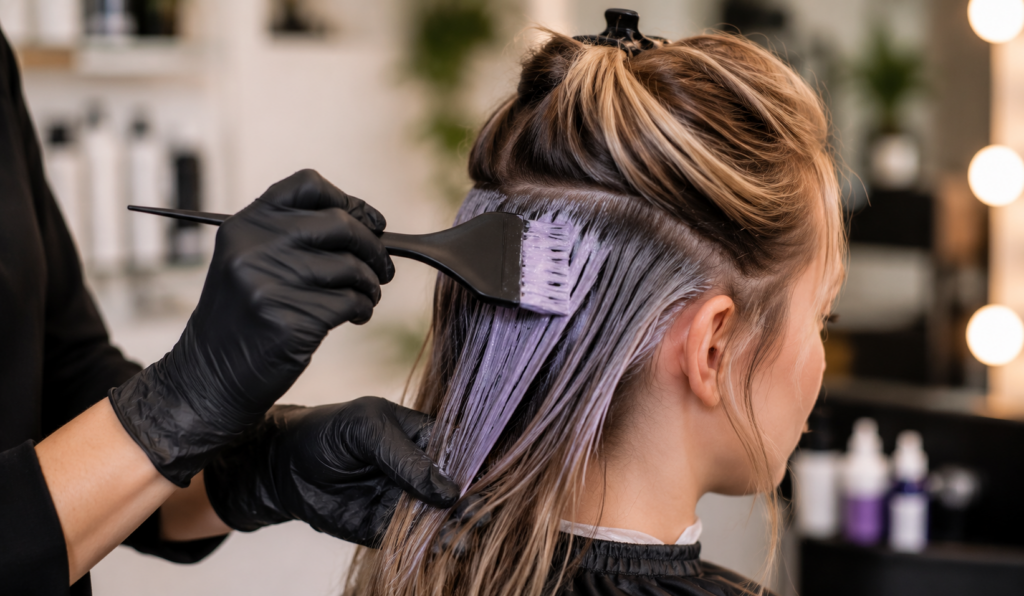
Apply using a tint brush, working in sections. Start at the most brassy areas often the mid-lengths then move to the roots and ends. Wearing gloves is non-negotiable because toner will stain skin instantly and requires significant scrubbing to remove from hands.
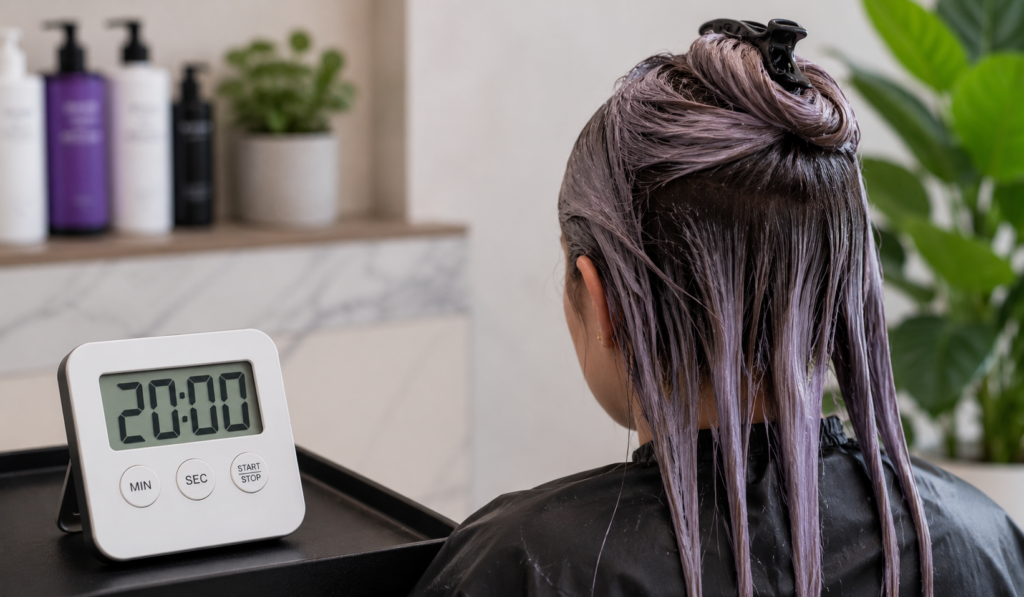
Processing time varies by desired result intensity. For a subtle tonal shift, ten to fifteen minutes is sufficient. For a more dramatic cool result, twenty to thirty minutes is the typical range. I check the hair every five minutes by wiping a small section clean with a damp cloth to assess how the tone is developing. Once the warmth has neutralized to the level I want, I rinse immediately over-processing toner can leave hair looking grey or muddy rather than cool.
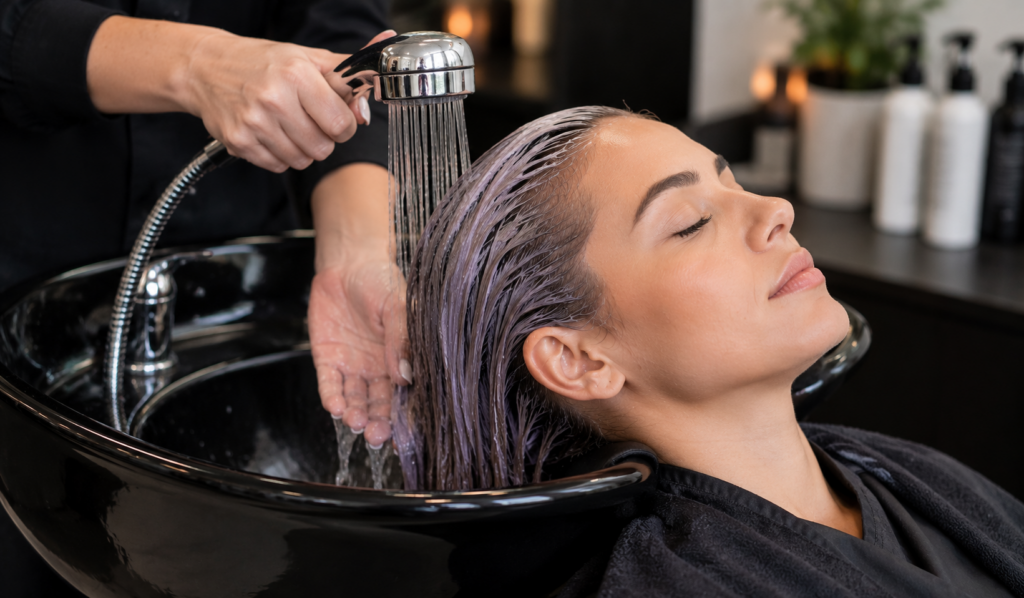
Rinse with lukewarm water rather than hot. Hot water opens the cuticle and allows the toner pigment to escape rapidly, dramatically shortening the life of the color. Finish with a sulfate-free, color-safe conditioner to close the cuticle and seal the tone in.
The transformation is only half the story. Aftercare is what determines whether that stunning result lasts four weeks or eight.
Sulfate-free shampoo is the single most important product switch you can make after toning. Sulfates strip color aggressively and are the primary reason toned hair loses its cool tones quickly. I made the switch to sulfate-free shampoo permanently after my first toning experience and have never gone back.
Washing hair less frequently extends toning results significantly. Each wash session removes some color pigment along with dirt and oil, so stretching washes to every three or four days rather than daily makes a meaningful difference. Dry shampoo at the roots between washes is a genuinely useful tool here.
Purple or blue shampoo used once per week between full toning sessions maintains the cool tone as it begins to fade. Purple shampoo for blonde or yellow-prone hair, blue shampoo for hair prone to orange warmth. I use purple shampoo as a five-minute treatment mask once weekly, applied to damp hair, then rinsed thoroughly. This keeps my tone looking fresh without a full re-toning session until the six-to-eight week mark.
Heat styling with a protective spray is essential because heat accelerates color fading. I apply a thermal protectant every single time I use a flat iron or blow dryer on toned hair no exceptions.
Q: How long does hair toner last before the brassiness returns?
A: A demi-permanent toner applied at home typically lasts four to six weeks with regular washing, or up to eight weeks with careful maintenance. Professional salon toners with higher pigment concentration can last three to four weeks in a single application. Using purple or blue shampoo weekly extends results significantly between full re-toning sessions.
Q: Can I tone dark hair without bleaching it first?
A: Toner does not work on unlightened dark hair because it cannot penetrate or lift natural dark pigment. Toner is a translucent glaze that adjusts undertones only in hair that has already been lightened. However, if you have highlights, balayage, or any pre-lightened sections in dark hair, you can apply toner specifically to those sections with excellent results.
Q: My toner turned my hair grey or purple what went wrong?
A: Over-processing is the most common cause of this result. The toner was left on too long, depositing too much pigment. This can also happen when toner is applied to hair that was already very pale near white and the purple or blue pigment deposits with too much intensity. The good news is that over-toned hair fades relatively quickly with regular washing, and using a clarifying shampoo one or two times will accelerate the return toward a lighter tone.
Q: Can I tone hair immediately after bleaching?
A: Yes, toning immediately after bleaching is actually the most common professional approach because the cuticle is still slightly open from the bleaching process, which allows toner to deposit more evenly. Make sure to rinse all bleach thoroughly and towel dry before applying toner. Do not condition between bleaching and toning, as the conditioner will close the cuticle and reduce toner absorption.
Q: How do I know when my toner needs to be refreshed?
A: The most reliable signal is visible warmth returning to the hair yellow tones creeping back into blonde hair, or orange tones reappearing in previously cool brunette highlights. Hair may also look slightly duller overall as the toner fades, because part of what toner does is smooth and add shine to the cuticle. When the shine decreases and the warmth increases, it is time to tone again.
Q: Does toner damage hair?
A: Demi-permanent toner with low-volume developer causes minimal damage when used correctly. It does not lift the hair’s natural pigment it only deposits so it does not carry the damage risk associated with bleaching or permanent color. However, applying toner to severely damaged or over-processed hair can cause additional dryness or breakage. In those cases, restoring the hair’s strength with protein treatments before re-toning is the wiser approach.
The first time I saw my own hair toner before-and-after result, I took about twenty photographs from different angles in different lighting conditions because I was genuinely astonished by the difference a single product could make. That astonishment has never fully gone away. Toner remains the most impactful, most affordable, most accessible tool in my hair care routine and understanding how to use it well has completely changed my relationship with at-home color.
You will also like the DIY keratin treatment.


Kesha Smith is a lifestyle blogger passionate about simple living, healthy habits, and everyday inspiration. On this website, you’ll find