tralinggigs
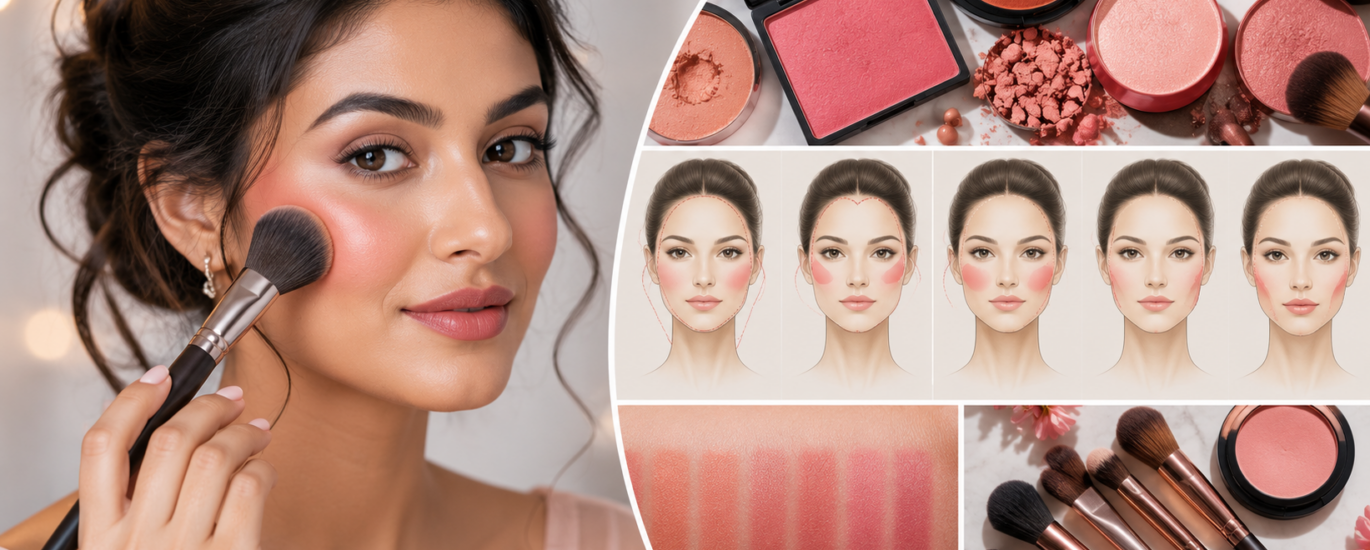
I spend years wearing the wrong blush colors. I buy beautiful shades that look gorgeous in the pan but terrible on my face. I think blush is not my thing, so I skip it entirely. Then I learn the secret: blush choice is all about matching undertones, not just skin depth. Once I understand which colors actually complement my specific undertones, everything changes. Colors I once think would never work look absolutely stunning. This single discovery transforms my entire makeup routine. In this blush guide, I share everything how to identify undertones, which blush colors suit each undertone, the different formulas available, my application technique, and the products I love. Choosing the right blush for your skin tone is simpler than it seems once you know the rules. The perfect blush is waiting. Let me help you find it.
The first thing I learn is that skin depth and undertone are two entirely separate things. Skin depth is how light or dark my complexion appears. Undertone is the color beneath my skin’s surface that influences how every makeup shade interacts with my face. Understanding both changes how I shop for blush for your skin tone.
I start with the vein test my most reliable indicator. I check the inside of my wrist in natural daylight. Blue or purple veins signal cool undertones. Green veins signal warm undertones. A mix indicates neutral undertones. I also hold gold and silver jewelry against my bare face. Gold looking more harmonious means warm undertones. Silver looking more natural means cool undertones.
Olive undertones sit outside the simple warm-cool spectrum. Olive skin has a green-tinted base requiring specific blush colors rather than standard recommendations. I research this carefully after noticing that generic advice consistently fails olive-toned individuals.
Running every test in honest natural light gives me confidence to identify my blush undertone correctly before I ever shop.
You will also like the permanent eyeliner .
These are the blush colors I wear confidently, organized by undertone category:
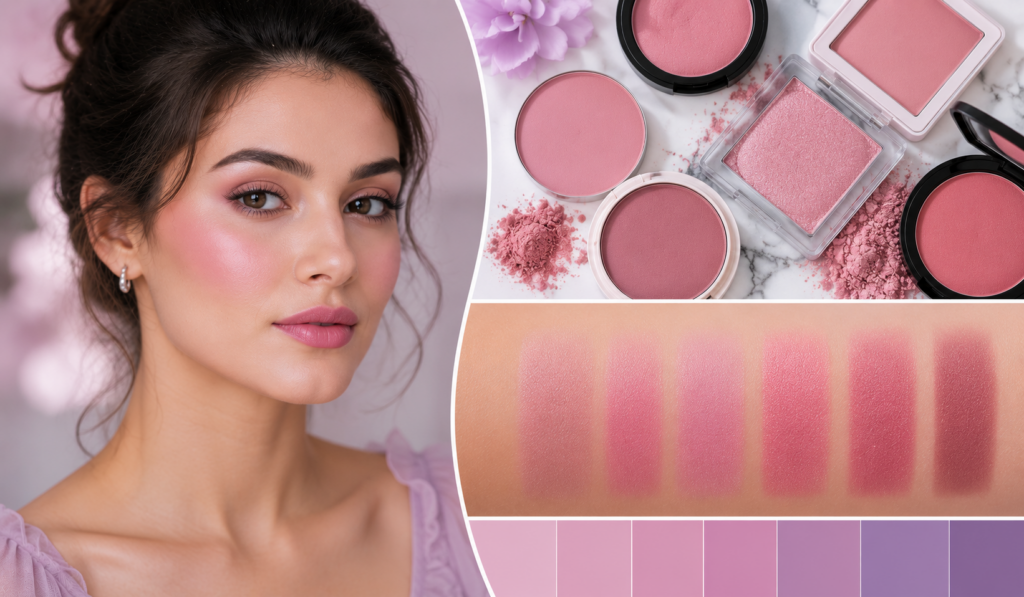
For Cool Undertones — I reach for rosy pinks with blue bases, berry tones, mauve, and dusty rose. These make my skin look radiant rather than muddy. Cool reds burgundy, wine, and cherry carry a sophisticated quality I love. Purple-adjacent shades like plum and dusty lilac are my secret weapon for evening looks.
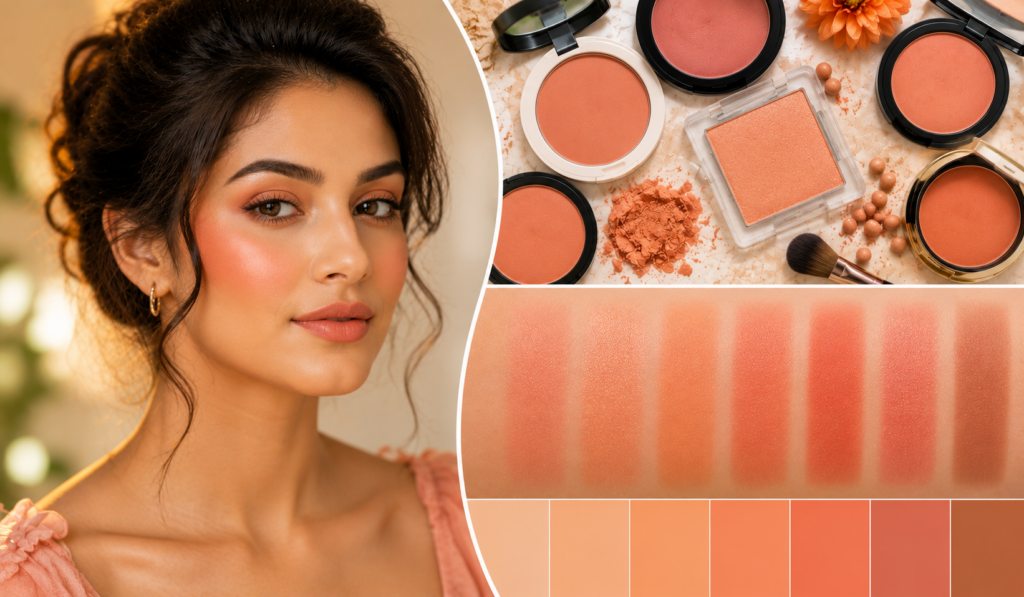
For Warm Undertones — Peachy pinks, coral-tinted pinks, and warm rose tones enhance the natural glow in warm skin. Warm oranges and corals apricot, peach, terracotta, and burnt orange suit warm undertones perfectly. Brick red and rust feel organic on warm skin. Bronze and gold-tinted blush shades create a sun-kissed, dimensional finish I return to constantly.
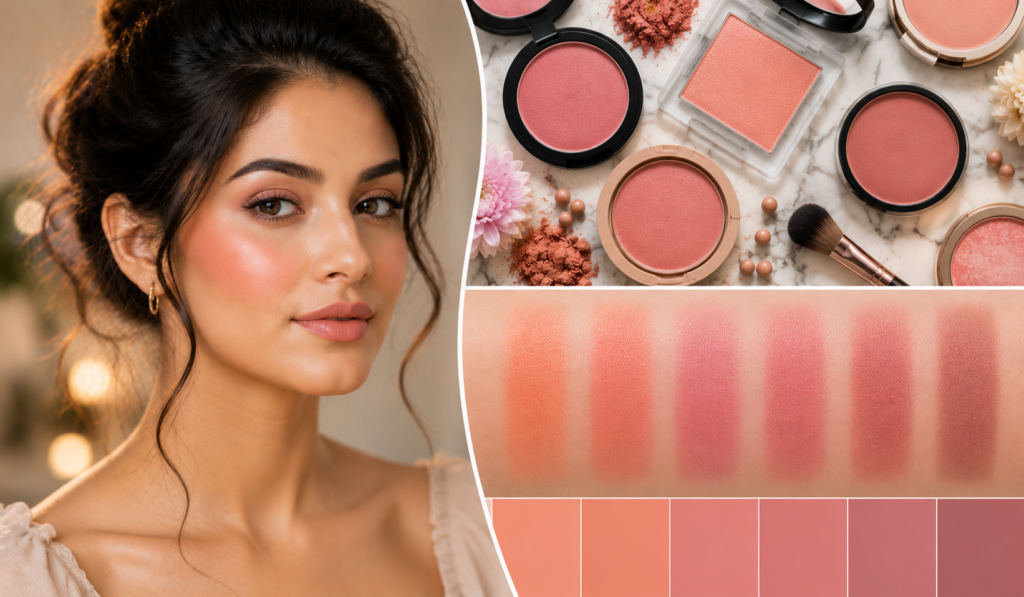
For Neutral Undertones — This is the most flexible blush color category. I can wear either warm or cool shades and both look harmonious. I choose based on mood or outfit that day.
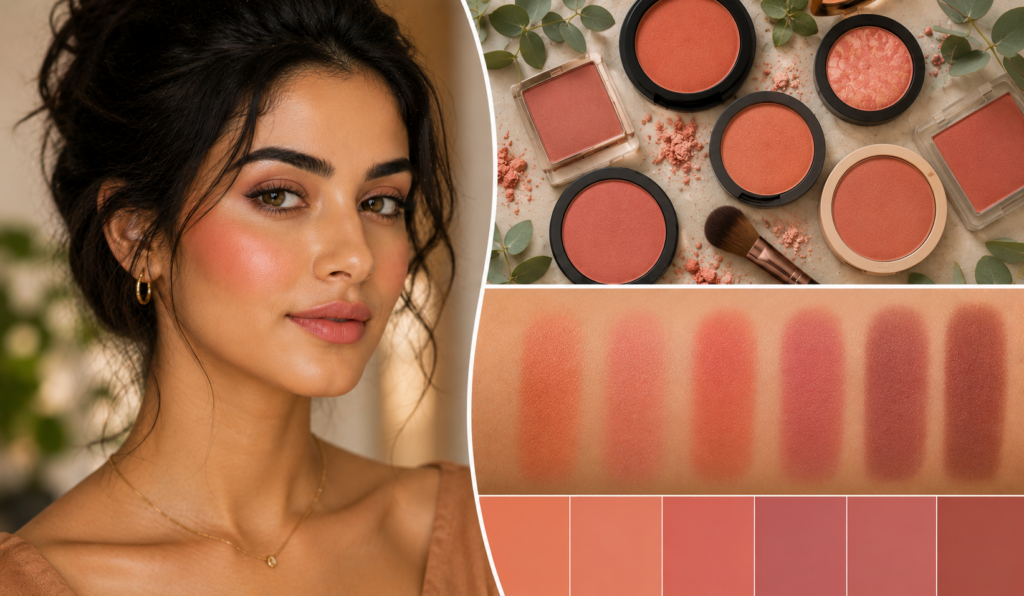
For Olive Undertones — Earthy, muted shades are the key. Terracotta, rust, muted berry, and khaki-tinted peachy blush colors complement olive skin beautifully. I avoid anything overly bright or neon because those shades clash with the green base in olive complexions. Muted and earthy is always the correct direction.
You will also like the DIY body scrub.
I use different formulas depending on the occasion and finish I want:
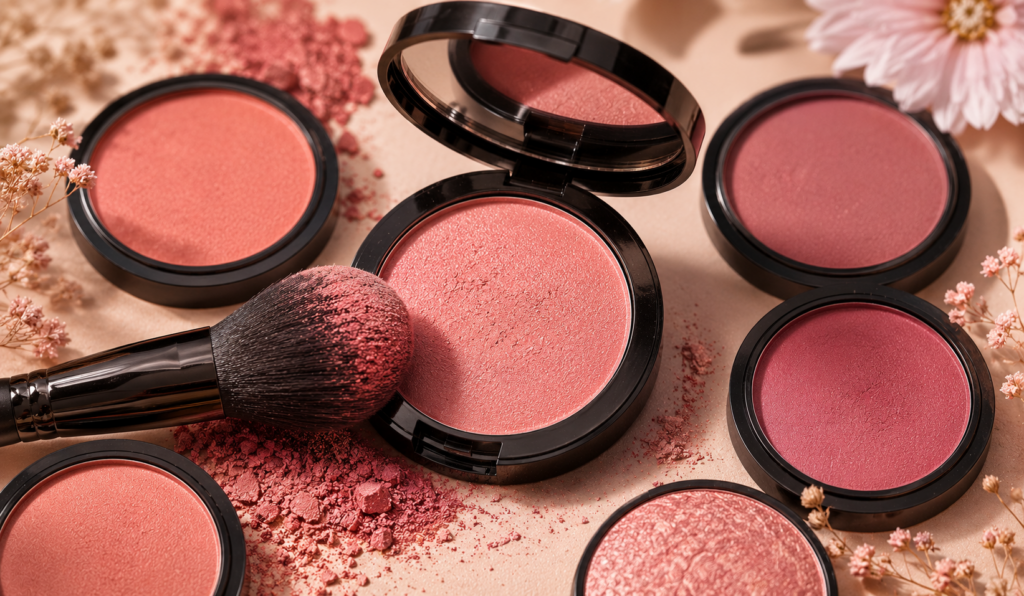
Powder Blush is my everyday choice. It applies easily, lasts all day, and works best for oily skin by absorbing excess sebum. Coverage is buildable, which means I control intensity precisely. This is my go-to makeup blush for most situations.
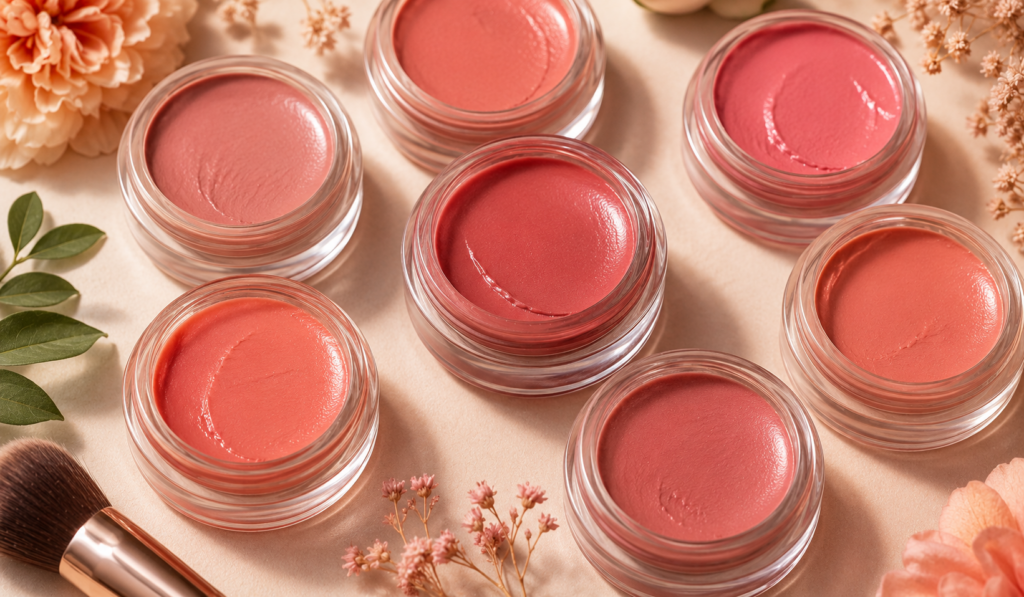
Cream Blush is my top pick for dry or mature skin. The dewy finish looks genuinely skin-like in a way powder cannot replicate. I blend it with fingers in small circular motions for the most seamless result.
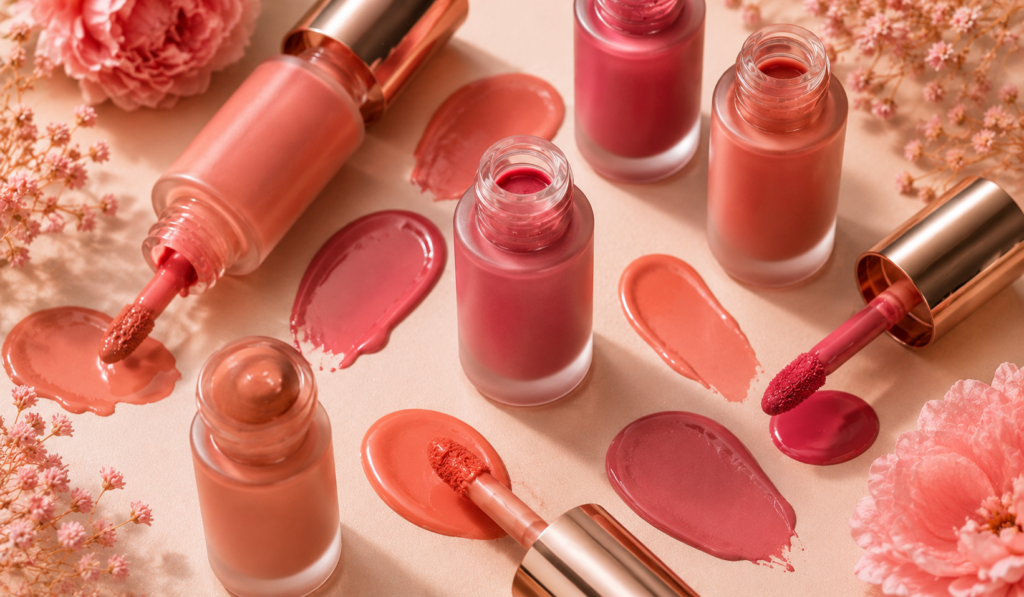
Liquid Blush is my quick-application option on busy mornings. One or two drops blend seamlessly into foundation for a foolproof wash of color. Lightweight and buildable.
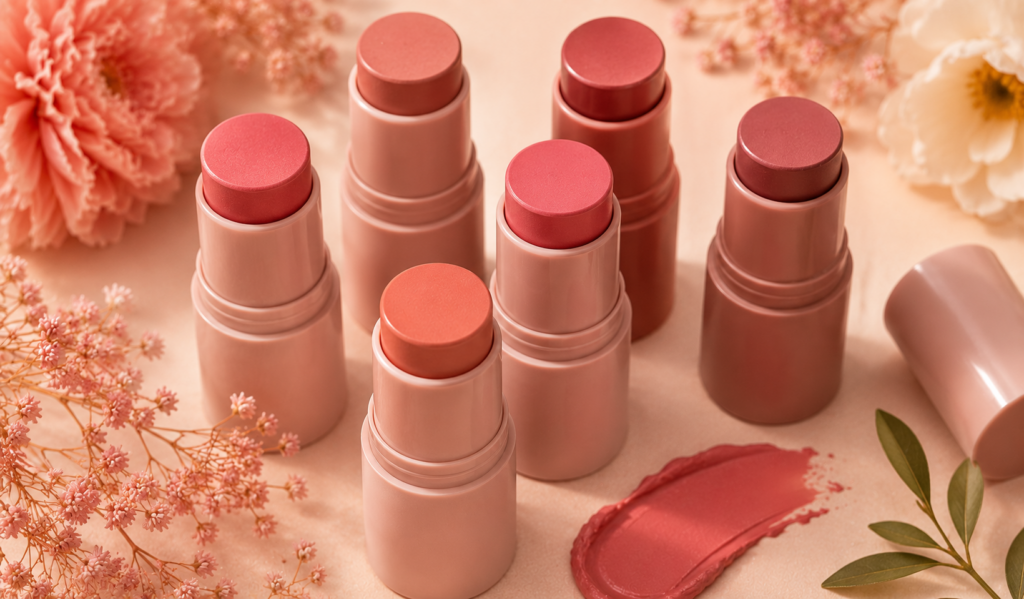
Stick Blush lives in my bag for touch-ups. It applies quickly, intensity is easy to control, and it works over both powder and cream bases without disturbing existing makeup.
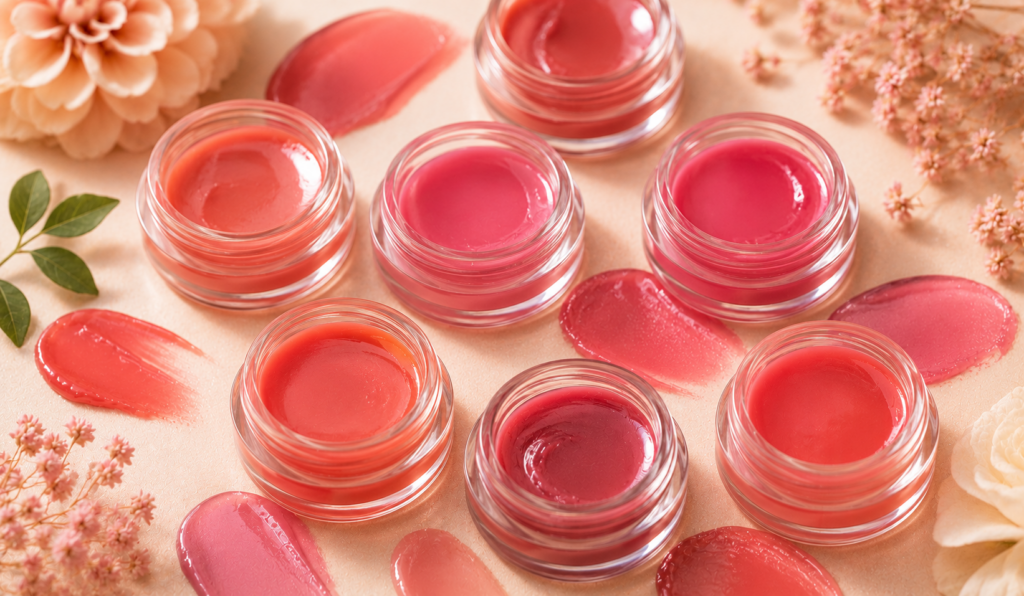
Gel Blush is my special occasion pick. The glossy, luminous finish creates a dewy, lit-from-within glow that suits fair skin particularly well.
Formula rule: oily skin thrives with powder, dry skin thrives with cream, and combination skin can alternate both. A fluffy powder brush, clean fingers for cream, and a damp sponge for blending are the three tools I use most.
Here is exactly how I apply blush for consistently flattering results when I choose the right blush for your skin tone:
I always apply blush after foundation and concealer but before highlight. I find my cheekbones by lightly sucking in my cheeks, place the initial color in the hollow, and blend upward toward my temples in soft sweeping strokes. I never apply blush too close to my nose or too low toward my jaw both placements create an unflattering downward appearance.
I start with less product than I think I need. Building intensity is easier than removing excess color. I apply in light layers, step back to assess, and add more only when necessary. Harsh lines signal more blending I address this with a clean brush in light circular motions until every edge disappears seamlessly.
For dimension, I layer two shades a lighter tone high on the cheekbone, a slightly deeper tone in the hollow beneath. For evening, I build to a stronger payoff. Effortless-looking blush application always requires more blending time than it appears.
These are my favorite blush products across different skin types and budgets:
For fair skin, NARS Blush in Orgasm remains a classic it delivers a golden-pink shade with subtle shimmer that looks luminous on light complexions. Glossier Cloud Paint in Dawn is my cream blush pick for fair skin, offering a soft peachy flush that looks completely natural.
For medium skin, Tarte Amazonian Clay Blush offers exceptional staying power and a wide shade range. Charlotte Tilbury Cheek to Chic is my splurge recommendation the two-tone compact allows shade layering that medium skin tones carry beautifully.
For deep skin, Fenty Beauty Cheeks Out Freestyle Cream Blush delivers the rich, saturated color payoff that deep complexions need to read as genuine color. MAC Powder Blush in Sunbasque suits deep skin tones with beautiful intensity.
For budget-friendly options across all skin types, Milani Baked Blush delivers exceptional quality at an accessible price. The best blush for your skin tone does not require a luxury price tag undertone matching matters far more than brand prestige. This blush guide principle holds true at every price point.
Q: How do I know if a blush matches my undertones?
I test blush in natural light by holding the product near my face. With cool undertones, I avoid anything that appears orange or warm. With warm undertones, I avoid anything ashy or muddy. The right blush for your skin tone makes my complexion glow rather than look flat.
Q: Can I wear blush that does not match my undertone?
Sometimes, but the right shade always looks more natural without effort. I learn to stick with undertone-matched colors the results are consistently better with zero correction work.
Q: What blush formula works best for my skin type?
Powder works best for oily skin. Cream works best for dry skin. Combination skin can alternate both. This blush guide rule applies regardless of color choice.
Q: How much blush should I apply?
I always start with less and build up. Removing excess is far harder than adding more. A light hand keeps the result natural. Practice finds my personal intensity sweet spot.
Q: Should I match my blush to my lipstick?
I coordinate undertones rather than exact shades. Warm lipstick pairs with warm blush. Cool lipstick pairs with cool blush. Matching undertones makes my entire look intentional and cohesive.
Q: How do I know if my blush shade is wrong?
If blush looks muddy or harsh, it is too dark or heavy. If I cannot see any color in daylight, it is too light. The best blush for your skin tone is visible yet reads as a natural flush.
I transform my makeup routine completely when I learn to choose the right blush for my actual undertones. This one skill changes everything. I suddenly have access to hundreds of blush shades that work beautifully with my complexion. You now have every tool this blush guide offers to find your perfect color. Consider your undertones, choose the right blush for your skin tone, try different formulas, and practice your application. The right blush makes you glow naturally and builds real confidence. Find your perfect blush. Your beautiful flush is waiting.
You will also like the silk skirts.


Kesha Smith is a lifestyle blogger passionate about simple living, healthy habits, and everyday inspiration. On this website, you’ll find