


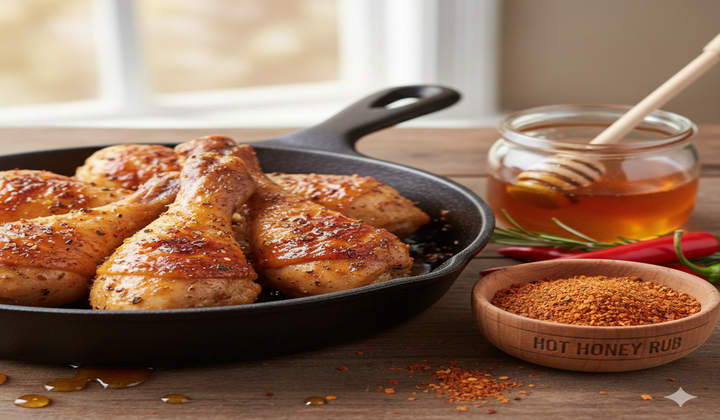
The Wingstop hot honey rub seasoning recipe has become a favorite among wing lovers who enjoy bold flavors with a balance of sweetness and heat. Served at Wingstop, this seasoning stands out because it delivers intense flavor without relying on heavy sauces.
Many home cooks search for ways to recreate this taste because dry rubs are versatile, easy to store, and adaptable to different cooking methods. This article presents a inspired-by seasoning recipe, not the official or exact formula used by Wingstop. There is no affiliation or endorsement implied.
The goal is to help you understand the flavor profile and make a Wingstop-inspired seasoning at home using common spices, safe practices, and realistic expectations.
Why Wingstop’s Hot Honey Rub Is So Popular
Wingstop’s hot honey rub is popular because it delivers a balanced mix of sweetness and heat that appeals to a wide range of tastes. The flavor feels bold but not overpowering, making it easy to enjoy repeatedly. Its dry-rub texture also keeps wings crispy while locking in rich, sweet-and-spicy flavor.
Sweet-and-Spicy Flavor Balance
- The rub combines sweetness with noticeable heat, creating a layered taste that:
- Feels bold but not overwhelming
- Builds flavor gradually
- Pairs well with savory foods
- This balance keeps each bite interesting.
Dry Rub Texture Appeal
- Unlike sticky sauces, a dry rub:
- Coats food evenly
- Allows crisp textures when cooked
- Concentrates flavor without excess moisture
- That texture is a key reason this seasoning stands out.
Versatility Beyond Wings
One reason the hot honey rub is so appealing is its versatility beyond wings. The same sweet-and-spicy seasoning works well on chicken tenders, drumsticks, roasted vegetables, fries, popcorn, and even grilled meats, making it a flexible, multi-use flavor for home cooking.
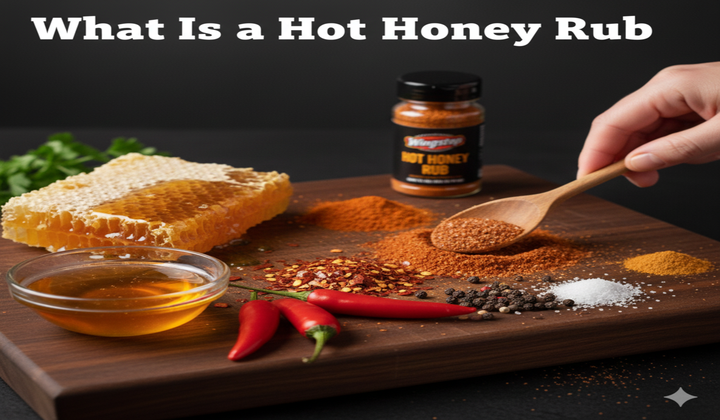
What Is a Hot Honey Rub?
A hot honey rub is a dry seasoning blend that combines sweet ingredients with spicy and savory spices. It’s designed to deliver a balance of sweetness and heat without using liquid sauce. The rub coats food evenly, enhances crisp texture during cooking, and creates layered flavor in every bite.
Dry Rub vs Sauce
Dry rubs:
- Are applied before or after cooking
- Do not add moisture
- Focus on spice balance and aroma
- Sauces, by contrast, add liquid sweetness and are often applied at the end.
Flavor Profile Overview
- A hot honey dry rub typically delivers:
- Initial sweetness
- Mid-level spice warmth
- Savory depth
- The result is a seasoning that tastes complex even though it uses simple ingredients.
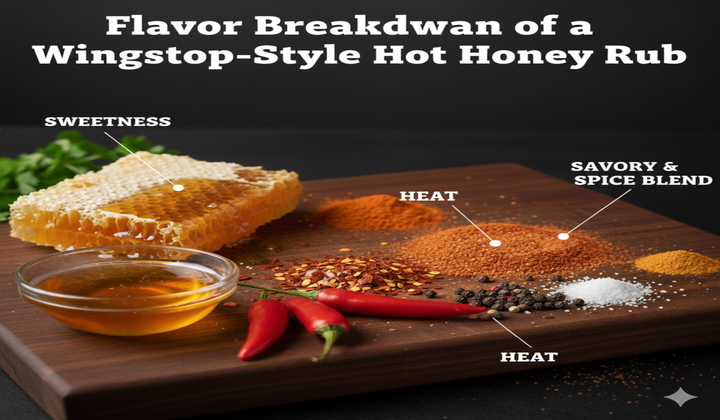
Flavor Breakdown of a Wingstop-Style Hot Honey Rub
A Wingstop-style hot honey rub is built around layered flavors that develop gradually with each bite. Instead of tasting sweet or spicy all at once, the seasoning creates balance through distinct flavor stages.
Sweet Elements
- Sweetness usually comes from:
- Granulated sugar
- Brown sugar
- Honey powder (if available)
- These ingredients help balance spice and promote browning.
Heat and Spice Components
- Heat is provided by:
- Chili powder
- Cayenne pepper
- Crushed red pepper
- The intensity can be adjusted easily at home.
Supporting Savory Notes
- Savory spices add depth, such as:
- Garlic powder
- Onion powder
- Paprika
- These prevent the rub from tasting one-dimensional.
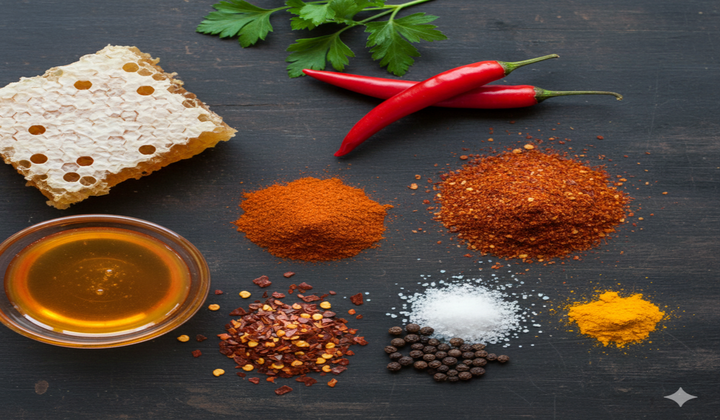
Ingredients for a Hot Honey Rub
Hot honey rub ingredients are chosen to create a balance of sweetness, heat, and savory depth. Each component plays a specific role in building flavor without overpowering the others.
Core Ingredients
- Granulated sugar or light brown sugar
- Paprika
- Chili powder
- Garlic powder
- Onion powder
- Salt
Optional Adjustments
Depending on preference:
- Cayenne pepper for more heat
- Smoked paprika for depth
- Honey powder if available
Ingredient Notes
- Use fresh spices for better aroma
- Measure carefully to maintain balance
- Adjust gradually rather than all at once
Wingstop Hot Honey Rub Seasoning Recipe (Step-by-Step)
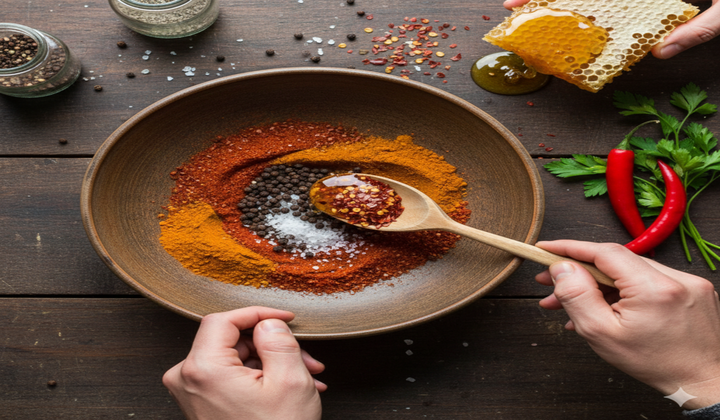
This step-by-step process explains how to prepare a Wingstop-style hot honey rub at home using simple pantry spices. The goal is to achieve a balanced mix of sweetness, heat, and savory flavor.
Step 1: Measure Ingredients
Start by measuring each spice and sweet ingredient carefully. Accurate measurements help maintain the sweet-and-spicy balance and prevent the rub from becoming too salty, too sweet, or overly hot.
Step 2: Mix Thoroughly
Add all measured spices and sugar into a clean bowl. Use a spoon or whisk to mix thoroughly so every ingredient blends evenly and no clumps remain.
Step 3: Taste and Adjust (Dry Taste Test)
Take a very small pinch of the dry rub and taste it. If needed, slightly adjust sweetness, heat, or salt—but only in small amounts to keep flavors balanced.
Step 4: Store Properly
Transfer the finished rub into an airtight container. Store it in a cool, dry place away from heat or moisture to preserve freshness and flavor for future use.
This process creates a hot honey dry rub recipe suitable for wings and many other foods.
How to Use Hot Honey Rub Seasoning
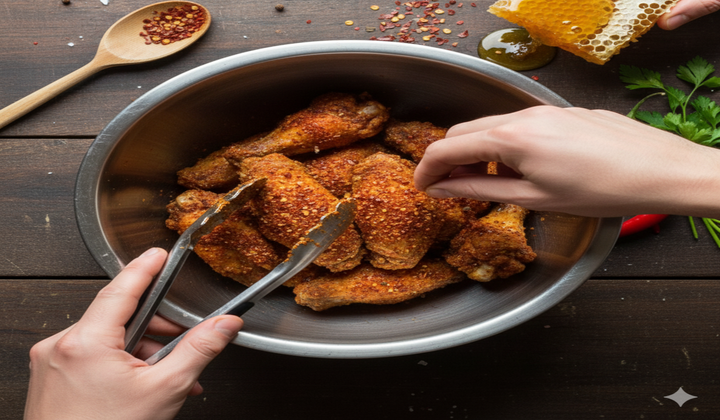
Hot honey rub seasoning is best used as a dry coating applied evenly to food. It can be added before cooking for deeper flavor or sprinkled after cooking for a stronger surface taste. It works especially well on wings, chicken, meats, vegetables, and snack-style foods.
Wings (Baked, Air-Fried, or Grilled)
- Pat wings dry before seasoning
- Apply rub evenly
- Cook until safe internal temperature is reached
Other Foods
- Chicken thighs or drumsticks
- Pork chops or ribs
- Roasted vegetables
- Popcorn or snack mixes
When to Apply the Rub
- Before cooking for deeper flavor
- After cooking for stronger surface seasoning
- Choose based on cooking method and desired texture.
Tips for Getting the Best Sweet & Spicy Balance
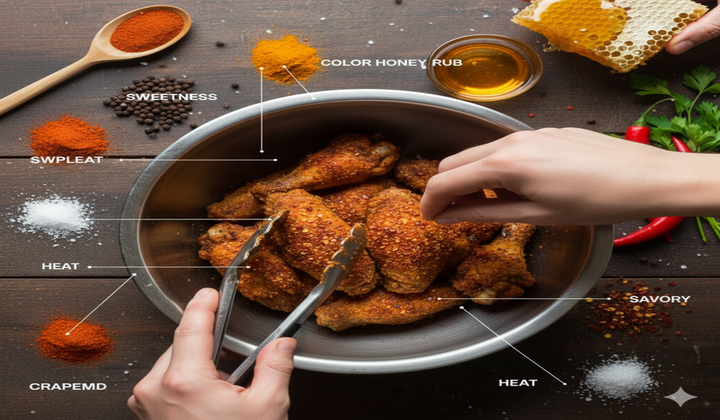
Achieving the right balance is key to enjoying a hot honey rub. Add sweet and spicy ingredients gradually, tasting as you go. Avoid overpowering heat or sugar so both flavors complement each other naturally.
Preventing Sugar Burn
- Avoid extremely high heat for long periods
- Apply heavier seasoning toward the end if grilling
Adjusting Spice Levels
- Reduce cayenne for milder flavor
- Increase paprika for color without heat
Pairing With Sauces or Dips
- Choose mild or tangy options
- Avoid overly sweet sauces that overpower the rub
Common Mistakes to Avoid
Over-Seasoning
Using too much dry rub can overpower the natural flavor of the food. Because sweet-and-spicy seasonings are concentrated, applying a light, even coating helps maintain balance and prevents bitterness.
Applying at the Wrong Stage
Adding sugar-based rubs too early at very high heat can cause burning. For best results, apply before moderate cooking or finish with the rub near the end to protect sweetness.
Incorrect Storage
Storing seasoning in humid or open containers reduces flavor strength and shelf life. Always keep the rub sealed tightly in a dry place to preserve aroma and spice balance.
Frequently Asked Questions (FAQ)
Is this the official Wingstop Hot Honey Rub recipe?
No, this is not the official Wingstop recipe. It is a inspired-by seasoning created for home use, designed to mimic the sweet-and-spicy flavor profile without claiming exact ingredients or restaurant affiliation.
Can the rub be made less spicy?
Yes, the spice level can be adjusted easily by reducing cayenne pepper or chili powder. Increasing paprika instead helps maintain color and flavor while keeping the seasoning mild and suitable for sensitive heat preferences.
How long does homemade hot honey rub last?
When stored in an airtight container in a cool, dry place, homemade hot honey rub typically maintains good flavor for several months, though aroma and intensity are best within the first few weeks.
Can it be used on foods other than wings?
Yes, this hot honey rub works well on chicken, pork, roasted vegetables, popcorn, and snacks. Its sweet-and-spicy balance makes it versatile for many savory dishes beyond traditional wings.
Conclusion
This Wingstop hot honey rub seasoning recipe offers a practical way to recreate a familiar sweet-and-spicy flavor at home without claiming to replicate the original exactly. By understanding how sweetness, heat, and savory spices work together, home cooks can make a versatile seasoning that fits many dishes.
The value of a recipe lies in flexibility. You can adjust spice levels, sweetness, and application methods to suit your taste while still capturing the essence of a Wingstop-inspired seasoning. With careful use and mindful cooking, this rub can become a reliable addition to your home kitchen and a flavorful way to explore sweet-and-spicy combinations responsibly.
You will also like the Moe’s adobo chicken recipe.
About the Author