your Fashion , food , lifestyle in one place
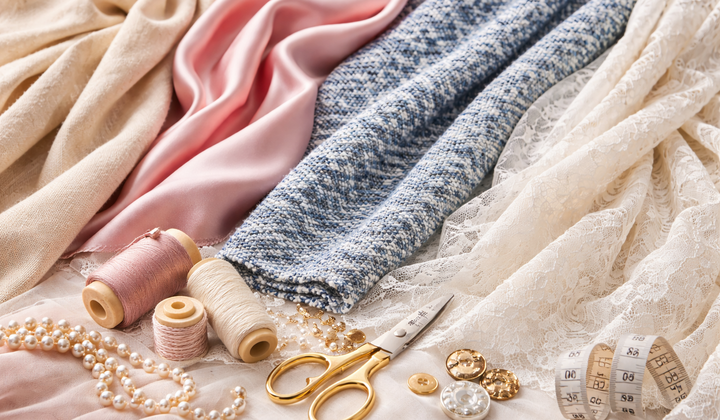
The secret weapon of every well-dressed person isn’t the designer label or the price tag it’s knowing which styles of cloth to choose for each occasion, season, and silhouette. Fabric determines how an outfit moves, breathes, drapes, and ultimately communicates your intention to the world. A silk blouse whispers elegance. A linen shirt says effortless summer cool. The same dress pattern in velvet versus jersey tells two completely different stories. This ultimate guide covers 20+ styles of cloth, from luxurious silk to everyday denim, explaining exactly how each fabric behaves, when to wear it, and how to care for it. Understanding fabric transforms shopping from guesswork into confident, intentional decision-making that builds a better wardrobe with fewer mistakes. Let’s explore every fabric that belongs in your wardrobe!
Fabric choice affects your appearance in ways most people never consciously consider but always notice. The drape how cloth falls and moves on your body determines whether a silhouette looks elegant or awkward. Structure dictates whether a garment holds its shape confidently or collapses. Texture adds visual and tactile interest that makes simple outfits infinitely more interesting. The same basic silhouette in chiffon versus denim creates a completely different outfit with different messages.
Comfort follows closely behind appearance. Breathability, flexibility, and weight against skin determine whether you feel confident or distracted throughout your day. Fashion that’s uncomfortable rarely gets worn, regardless of how stylish it looks hanging in your closet.
Fabric also signals occasion before you speak a word. Silk communicates formality and luxury. Cotton signals approachability and ease. Velvet announces special events. Understanding these fabric codes helps you dress intentionally for every situation you encounter.
Finally, understanding types of fabric makes you a smarter shopper. Quality fabrics genuinely last longer, look better over time, and deliver more cost-per-wear value than impulse purchases made without fabric awareness.
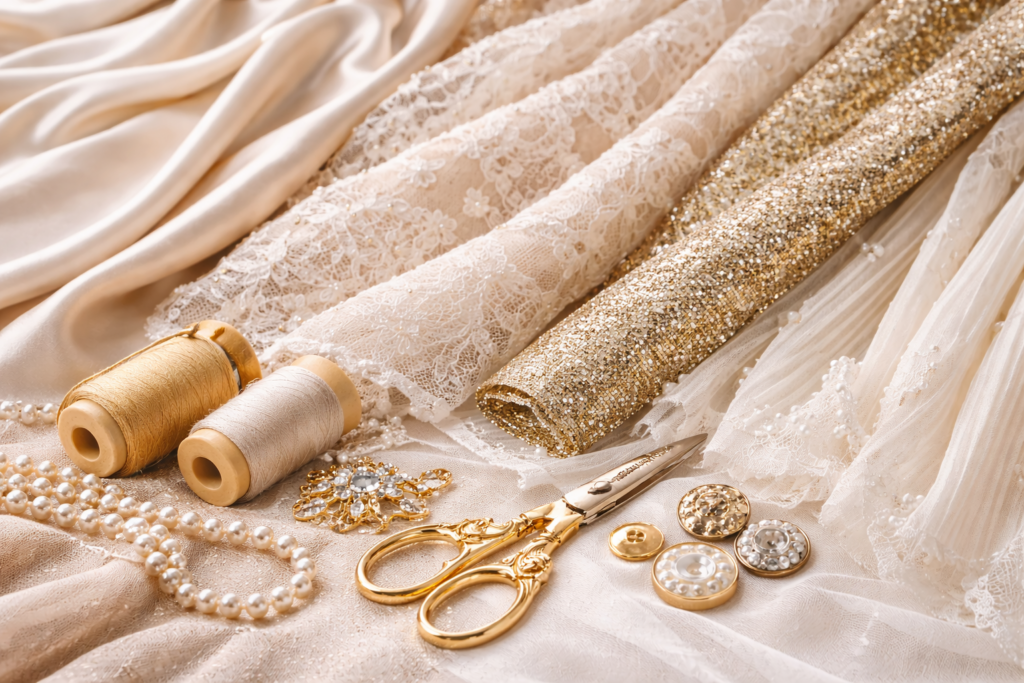
These fabrics have defined elegance for centuries and for good reason. When you wear these fashion fabrics, the cloth itself does much of the styling work for you.
Silk
Natural protein fiber from silkworm cocoons the ultimate luxury cloth prized for thousands of years. Incredibly smooth, naturally lustrous, temperature-regulating, and famous for its fluid drape. How it looks: Fluid, shimmery, effortlessly elegant in any light. Best for: Evening gowns, blouses, scarves, lingerie, formal occasions. Style tip: “Silk elevates even simple silhouettes a plain silk slip dress outshines complicated polyester designs every time.” Care note: Hand wash cold or dry clean silk is delicate but rewards the effort with years of wear.
Satin
Not a fiber but a weave can be silk, polyester, or nylon creating a glossy, smooth front with a dull back. High sheen and luxurious appearance at various price points. How it looks: High-gloss, sleek, dramatic in any light. Best for: Evening wear, bridal fashion, lingerie, formal occasions, trendy everyday styling. Style tip: “Silk satin is most luxurious; polyester satin offers the same visual impact at a fraction of the cost perfect for trend-driven pieces.” Care note: Avoid rough surfaces that snag; hand wash or dry clean depending on fiber content.
Velvet
Tightly woven fabric with cut pile creating its signature soft, plush texture. Absorbs color deeply and appears to shift shade as light moves across it. How it looks: Deep, rich, textured, with a color that changes beautifully in different light. Best for: Evening events, holiday parties, blazers, special occasion dresses, statement accessories. Style tip: “Velvet photographs exceptionally well ideal for events and social media occasions. Crushed velvet adds a casually edgy alternative.” Care note: Dry clean only; hang to prevent crushing the pile; use a velvet brush to restore texture.
Cashmere
Luxury wool sourced from cashmere goat undercoat softer, lighter, and warmer than regular wool with exceptional breathability. How it looks: Soft, refined, and subtly luxurious without ostentation or bulk. Best for: Sweaters, coats, cardigans, cold-weather accessories, elevated casual wear. Style tip: “One quality cashmere sweater in a neutral color outperforms five cheap knitwear pieces in both longevity and appearance invest wisely.” Care note: Hand wash cold and lay flat to dry; never wring or hang, as both stretch the shape permanently.
Chiffon
Lightweight, sheer, plain-woven fabric typically made from silk or polyester. Floaty, romantic, and distinctly ethereal in quality. How it looks: Delicate, flowing, semi-transparent, and inherently feminine. Best for: Blouses, overlay skirts, evening wear, summer dresses, romantic looks. Style tip: “Layer chiffon over a solid-colored slip or camisole for modesty while fully preserving the ethereal, layered effect.” Care note: Hand wash in cool water; avoid wringing; lay flat or hang dry with great care.
Lace
Open-weave fabric with intricate patterns historically handmade, now available machine-made across all price points. How it looks: Intricate, romantic, delicate, and richly textured. Best for: Special occasions, bridal wear, blouses, trim details, evening looks. Style tip: “Contrast lace against solid, simple pieces lace over a silk slip or paired with tailored trousers creates perfect tension between delicate and structured.” Care note: Gentle hand wash or delicate machine cycle; store folded carefully to preserve the pattern’s integrity.
You will also like the kids hairstyles for boys.
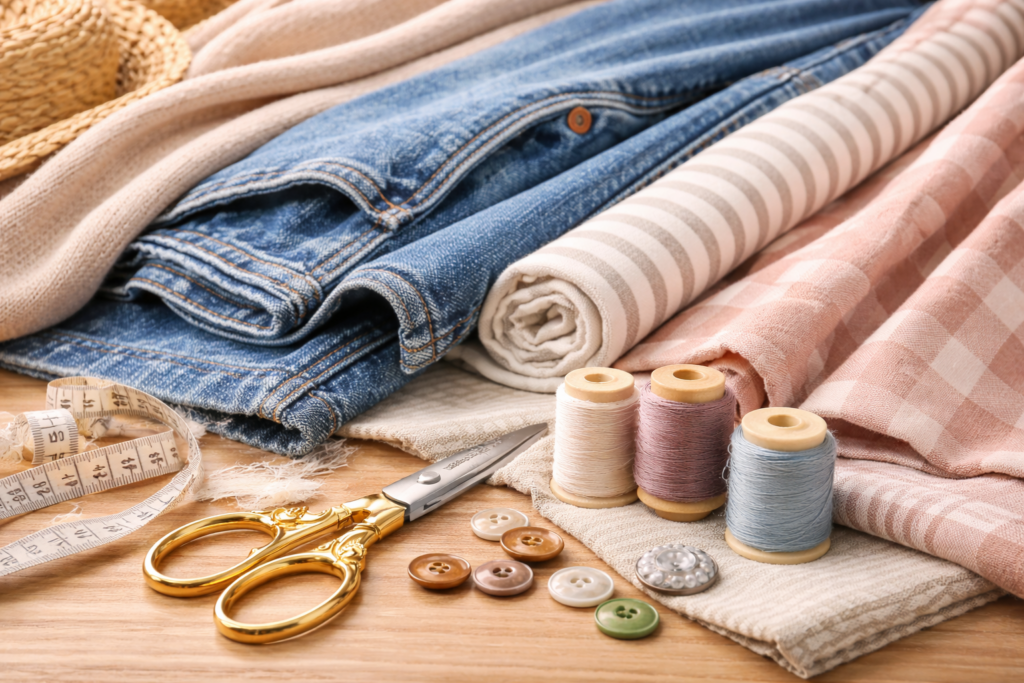
The most-worn fabrics in any wardrobe are the everyday heroes durable, versatile, and increasingly celebrated as fashionable clothing materials in their own right.
Cotton
Natural plant fiber and the world’s most-worn fabric. Breathable, absorbent, durable, and easy to care for across countless weave variations. How it looks: Clean, fresh, casual, and crisp when structured properly. Best for: T-shirts, shirts, casual dresses, jeans, and essentially everything everyday. Style tip: “Egyptian or Pima cotton (long-staple varieties) looks and feels dramatically better than standard cotton worth paying slightly more for basics you wear constantly.” Care note: Machine washable and genuinely low-maintenance; hot water may cause shrinkage, so always check labels.
Denim
Cotton twill weave that ranks among the most iconic cloth styles ever created. Durable, structured, and softens beautifully and uniquely with age and wear. How it looks: Casual, structured, rooted in American heritage, now elevated to high fashion. Best for: Jeans, jackets, shirts, skirts, shorts, and overalls across every style context. Style tip: “Denim on denim is officially stylish again vary the wash (dark jacket, lighter jeans) to nail the Canadian tuxedo look confidently.” Care note: Wash inside out in cold water to preserve color; minimal washing actually maintains denim quality best.
Jersey Knit
Soft, stretchy knit fabric in cotton or synthetic the fundamental material of your favorite t-shirt. Moves naturally with the body throughout the day. How it looks: Casual, comfortable, relaxed, and form-following without being restrictive. Best for: T-shirts, casual dresses, loungewear, and athletic wear across all seasons. Style tip: “Heavier jersey fabric (250+ GSM) holds its shape dramatically better essential for t-shirts that don’t look droopy after a few washes.” Care note: Machine wash cold; lay flat or tumble dry low to preserve the fabric’s original shape.
Linen
Natural flax fiber that’s lightweight, highly breathable, and beautifully textured on the surface. Remarkably gets softer and more appealing with each washing. How it looks: Natural, relaxed, artisanal, and effortlessly cool in all the right ways. Best for: Summer clothing, resort wear, casual shirts, trousers, and blazers. Style tip: “Embrace linen’s natural wrinkles completely fighting them is futile and unnecessary. Rumpled linen reads as intentionally chic and European.” Care note: Machine wash cool; lay flat or tumble dry low; iron while slightly damp for cleaner results.
Chambray
Lighter, softer cotton weave resembling denim while remaining significantly more breathable. Features a colored warp thread and white weft for its characteristic appearance. How it looks: Casual, relaxed, denim-adjacent but airier and lighter in feel. Best for: Casual shirts, dresses, and summer looks where full denim would feel too heavy. Style tip: “A chambray shirt tucked into white jeans or flowy pants is the perfect warm-weather smart-casual formula that rarely fails.” Care note: Machine wash cold; care is similar to standard cotton.
Fleece
Synthetic polyester fabric with soft, fluffy texture delivers genuine warmth without significant weight. How it looks: Casual, sporty, cozy, and outdoorsy but increasingly fashionable. Best for: Jackets, pullovers, activewear, outdoor wear, and casual layering pieces. Style tip: “Luxury fleece in clean, sophisticated colors now works beautifully in elevated casual outfits try pairing with tailored pants rather than only athletic wear.” Care note: Machine wash cold; avoid fabric softener which reduces warmth properties; air dry or low tumble.
Some fabrics hold their shape confidently, command respect, and signal authority. These are the best fabrics for outfits requiring tailored precision the cloth that powers boardrooms, ceremonies, and formal occasions where impression matters most.
Wool
Natural animal fiber that’s warm, breathable, moisture-wicking, and extraordinarily versatile across many weights and weaves. How it looks: Refined, professional, classic, and substantial. Best for: Suits, coats, trousers, skirts, and cold-weather formal wear. Style tip: “Merino wool is the most versatile weight lightweight enough for year-round wear yet warm enough for cool evenings without layering heavily.” Care note: Dry clean tailored pieces; hand wash fine merino carefully; never machine wash unless the label explicitly says it’s safe.
Tweed
Rough, textured wool fabric with characteristic color flecks throughout an iconic British heritage cloth with centuries of authority. How it looks: Textured, heritage-rich, sophisticated, and slightly rugged in the most refined way. Best for: Blazers, coats, suits, and country-inspired autumn and winter fashion. Style tip: “A tweed blazer worn over a crisp white shirt with jeans is the ultimate smart-casual formula for autumn effortless and unmistakably stylish.” Care note: Dry clean; brush with a cloth brush to remove surface dirt; store on wide, supportive hangers.
Crepe
Fabric with a distinctive wrinkled, pebbly texture available in silk, wool, or synthetic versions. Hangs with notable elegance. How it looks: Sophisticated, textured, slightly matte, with beautiful drape that suits many body types. Best for: Professional wear, evening dresses, blouses, wide-leg trousers, and tailored pieces. Style tip: “Crepe resists wrinkles exceptionally well making it the ideal travel fabric for professional looks that need to arrive looking pressed.” Care note: Dry clean or gentle hand wash depending on fiber content; avoid excessive heat.
Poplin
Tightly woven, smooth cotton or polyester fabric with a subtle ribbing and a signature crisp, clean finish. How it looks: Crisp, clean, professional, and sharp when properly ironed. Best for: Dress shirts, formal blouses, uniforms, and professional looks requiring precision. Style tip: “A quality poplin dress shirt is arguably the single most important item in a professional wardrobe invest in two or three excellent ones.” Care note: Machine wash and iron while slightly damp for the crispest possible professional finish.
Brocade
Richly decorative fabric woven with raised patterns in gold, silver, or colored threads a fabric that announces itself immediately. How it looks: Ornate, luxurious, heavily textured, and dramatically beautiful. Best for: Evening gowns, cocktail dresses, statement blazers, and special occasion pieces. Style tip: “Let brocade do all the work for you pair with simple, solid pieces so the fabric’s elaborate pattern remains the undisputed focal point.” Care note: Dry clean only; store carefully folded or hung to preserve the raised pattern intact.
Choosing climate-appropriate cloth isn’t just about comfort it’s about looking genuinely put-together and intentional regardless of what the weather is doing outside.
Linen remains the most breathable fabric available natural flax fiber allows maximum airflow and looks more stylish as the day progresses. Cotton Voile, an ultra-lightweight sheer cotton with open weave, offers floaty, romantic qualities and is the coolest cotton weave available for genuinely hot weather. Rayon/Viscose, semi-synthetic from wood pulp, breathes well and drapes beautifully for summer dresses and blouses at accessible price points it’s not as durable as natural fibers but offers excellent summer fashion value. Chambray provides that lighter denim alternative perfect for warm weather without losing the casual-cool denim aesthetic entirely.
Wool is nature’s ultimate temperature regulator warm when you need it and surprisingly comfortable when layered precisely. Cashmere delivers the lightest warmth-to-weight ratio of any natural fiber luxury warmth without the bulk that can overwhelm cold-weather outfits. Corduroy, cotton with its distinctive ridged pile, is warm, textured, and experiencing a significant fashion revival wide-wale corduroy in rich, saturated colors appears everywhere this season. Faux Fur provides synthetic warmth with maximum visual drama in coats, collars, and cuffs.
Merino Wool temperature-regulates naturally and works across every season with strategic layering. Denim layers up for winter warmth and rolls up in summer heat. Jersey Knit adapts to any season depending on weight and how it’s layered with other styles of cloth.
These cloth styles for fashion are having their definitive moment expect to see them everywhere from runways to street style throughout 2026.
Sequin Fabric
Individual sequins sewn onto base cloth creating full-coverage shimmer and movement. Look: Maximum sparkle, festive, and undeniably attention-commanding. Trending toward day-to-night versatility beyond traditional event-only wearing. Style tip: “A sequin skirt paired with an oversized white tee is 2026’s most fashionable contrast formula high-low dressing at its best.”
Sheer/Organza
Transparent or semi-transparent fabric silk or polyester organza offers a crisp, structured quality unlike soft chiffon. Look: Ethereal, fashion-forward, creating layered visual complexity. Trending heavily in sheer-over-opaque combinations and sheer blouses with tailored professional pieces. Style tip: “Layer sheer over a matching opaque garment for an intentional see-through effect that reads as deliberate rather than accidental.”
Vinyl/PVC
Synthetic fabric with high-gloss patent leather-like finish waterproof and structured. Look: Edgy, futuristic, rain-ready fashion that makes a strong visual statement. Vinyl trousers, skirts, and jackets are major statement pieces right now. Style tip: “Balance vinyl’s inherent sheen with matte textures vinyl trousers with a loose knit or cotton tee creates perfect contrast.”
Bouclé
Looped, knobbly yarn fabric with a textured, slightly rough surface the fabric most associated with Chanel’s iconic designs. Look: Textured, luxurious, artisanal, and rooted in heritage fashion tradition. Bouclé blazers and coats dominate luxury fashion across every price tier. Style tip: “A bouclé blazer instantly signals sophisticated taste pair with straight jeans and minimal accessories for the ideal ratio.”
Modern Lace
Contemporary lace used far beyond traditional bridal contexts lace trousers, casual blouses, and unexpected placements. Raw-edge lace and geometric patterns in non-traditional contexts are trending strongly. Style tip: “A lace top with a leather jacket deliberately subverts femininity expectations the contrast is powerful, modern, and impossible to ignore.”
Work/Professional: Wool, crepe, poplin, and structured cotton communicate authority and polish. Avoid anything too sheer, too casual, or too evening for professional contexts. The power fabric formula: wool suit, crepe dress, or poplin shirt delivers every time.
Casual Weekend: Denim, cotton, linen, jersey knit, and chambray prioritize comfort and versatility. The easy weekend formula: denim paired with linen and cotton accessories creates the perfect casual combination.
Special Occasions/Evening: Silk, satin, velvet, lace, and sequin fabrics signal celebration and luxury. The effortless evening formula: a silk or velvet dress with minimal accessories requires no further styling effort.
Summer Travel: Linen, cotton voile, chambray, and rayon prioritize breathability and wrinkle resistance. The smart travel formula: linen trousers, cotton shirt, and chambray layer packs flat and arrives looking intentional.
Winter Events: Cashmere, wool, velvet, and brocade provide warmth with visual texture and interest. The cold-weather luxury formula: cashmere turtleneck, wool trousers, and velvet blazer creates layered richness.
FABRIC BY OCCASION:
Work: Wool, crepe, poplin
Casual: Denim, cotton, linen
Evening: Silk, velvet, satin
Travel: Linen, rayon, chambray
Winter Events: Cashmere, wool, velvet
Natural Fibers (Silk, Wool, Cashmere): Dry clean tailored pieces or hand wash cold. Never wring squeeze gently to remove water. Lay flat or hang properly on appropriate hangers. Avoid direct sunlight which fades natural fibers. Store with cedar for wool and silk bags for delicates. Natural fibers genuinely reward careful treatment with decade-long wearability.
Plant Fibers (Cotton, Linen): Machine washable with attention to temperature cold water prevents shrinkage. Iron while slightly damp for the crispest finish. Store in breathable conditions away from moisture. Linen specifically improves with washing embrace the progressive softening.
Synthetic Fabrics (Polyester, Rayon): Machine wash cold on delicate cycle. Avoid high heat which can melt or distort synthetic fibers permanently. These quick-dry fabrics rarely need ironing, making them genuinely low-maintenance.
Special Fabrics (Velvet, Lace, Sequins): Velvet requires dry cleaning and hanging to preserve its pile. Lace needs hand washing only, laid flat to dry to maintain its pattern. Sequin pieces should be hand washed cold turned inside out to protect the sequins. Special occasion fabrics deserve special care proportional to their value.
FABRIC CARE QUICK GUIDE:
Hand wash: Silk, wool, lace, cashmere
Machine cold: Cotton, linen, synthetics
Dry clean: Velvet, structured wool, brocade
Iron while damp: Cotton, linen, poplin
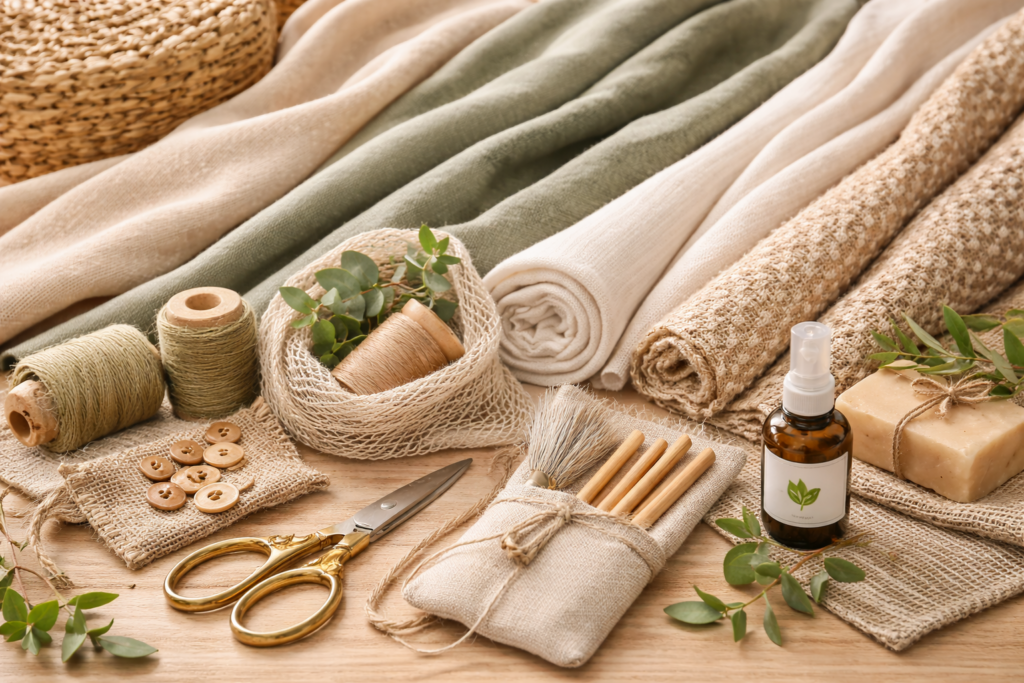
2026’s most important fashion conversation centers on sustainability and fabric choice is precisely where meaningful change begins with every purchase.
Organic Cotton grows without pesticides or harmful chemicals GOTS certification signals the highest standard. It feels and performs identically to conventional cotton with significantly lower environmental impact. Linen is naturally sustainable since flax grows with minimal water and pesticides, is biodegradable, and genuinely improves with age making it one of the most responsible fabric choices in fashion. Tencel/Lyocell, made from sustainable eucalyptus wood pulp through closed-loop production that minimizes waste, offers a silky feel with excellent drape a genuinely responsible alternative to silk and rayon. Recycled Polyester, made from recycled plastic bottles, carries a lower carbon footprint than virgin polyester and performs identically in activewear and outerwear. Hemp grows faster than virtually any natural fiber with minimal water and pesticide requirements, durability that improves with washing, and is rapidly transitioning from counterculture association to premium fashion clothing material.
When shopping consciously, look for certifications like GOTS, OEKO-TEX, and Fair Trade. Buy fewer pieces of better quality. Every fabric purchase is genuinely a vote for the fashion industry you want to exist.
Q: What is the most versatile fabric for everyday wear?
A: Cotton is the most versatile everyday fabric it works across every garment type, is comfortable in most climates, machine washable, and available at every price point. For elevated everyday wear, merino wool competes closely it’s comfortable, naturally odor-resistant, and polished enough for most occasions without special care.
Q: What fabric is most flattering for all body types?
A: Fabrics with a slight drape rather than stiffness tend to be most universally flattering they skim the body without clinging uncomfortably. Jersey knit, crepe, and ponte are particularly flattering because they move naturally with the body. Avoid very stiff fabrics for fitted garments as they add visual bulk, and choose matte over highly reflective finishes for most flattering results.
Q: How do I know if fabric is good quality?
A: Examine the weave for tightness and evenness, feel the weight (quality fabric has substance), and check the composition label for natural fibers and quality blends. Pull lightly quality fabric bounces back without distorting. Observe the drape: good fabric falls cleanly and elegantly, while cheap fabric hangs awkwardly and loses shape quickly.
Q: What fabrics are best for hot weather?
A: Linen wins for maximum breathability, followed by lightweight cotton weaves, chambray, and rayon. These natural and semi-natural fabrics allow air circulation and absorb moisture effectively. Avoid polyester in heat it traps warmth and moisture regardless of how it’s marketed. Loosely woven fabrics breathe better than dense weaves regardless of fiber content.
Q: Is expensive fabric always better?
A: Not always but for certain investment pieces, absolutely yes. Wool coats, silk blouses, and cashmere sweaters justify higher cost through longevity, appearance improvement over time, and genuine feel against skin. For trend-driven pieces you’ll wear rarely, quality polyester satin or viscose performs excellently at a fraction of the cost. Calculate cost-per-wear to determine where to invest.
Q: What fabric wrinkles least for travel?
A: The best travel types of fabric balance wrinkle resistance with comfort: jersey knit, merino wool, and crepe wrinkle minimally while feeling genuinely comfortable throughout long travel days. Avoid linen (wrinkles beautifully but massively), silk (shows marks), and pure cotton (wrinkles moderately). Pack tightly rolled rather than folded to minimize any creasing.
Q: How do sustainable fabrics compare to conventional ones in quality?
A: Organic cotton performs identically to conventional cotton. Tencel/lyocell often feels superior to standard rayon with better drape and longevity. Hemp becomes softer and stronger with washing. Recycled polyester performs similarly to virgin polyester. The main differences are price (sustainable options cost slightly more) and availability but quality is genuinely comparable to or better than conventional equivalents.
Understanding the different styles of cloth is one of the most powerful fashion skills you can develop it transforms every shopping decision, outfit choice, and garment care practice from guesswork into confident intention. From the luxurious drape of silk to the breathable ease of linen, from structured wool suiting to casual denim heritage, every fabric tells a story about how you want to present yourself. Start paying attention to fabric labels when you shop. Feel the weight. Consider the occasion. Choose fashion fabrics that serve both your style and your real life simultaneously. Your wardrobe built around thoughtful fabric choices will be smaller, more intentional, better loved, and infinitely more versatile than one built on impulse alone. Now that you know every cloth style that matters, shop smarter, dress better, and wear every outfit with well-earned confidence!
You will also like the Types of jackets.


Kesha Smith is a lifestyle blogger passionate about simple living, healthy habits, and everyday inspiration. On this website, you’ll find