Common Variations of Cuajito
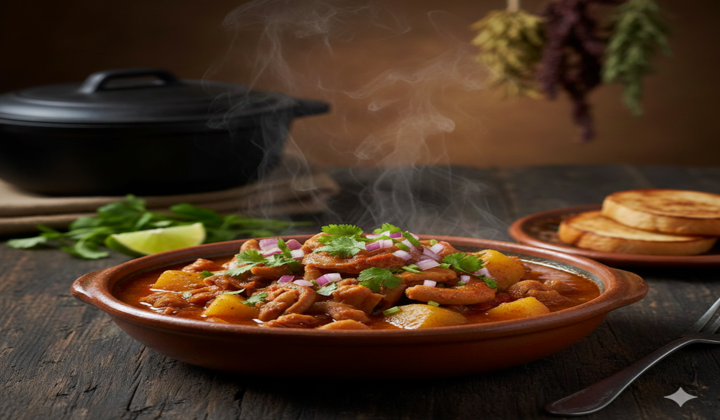
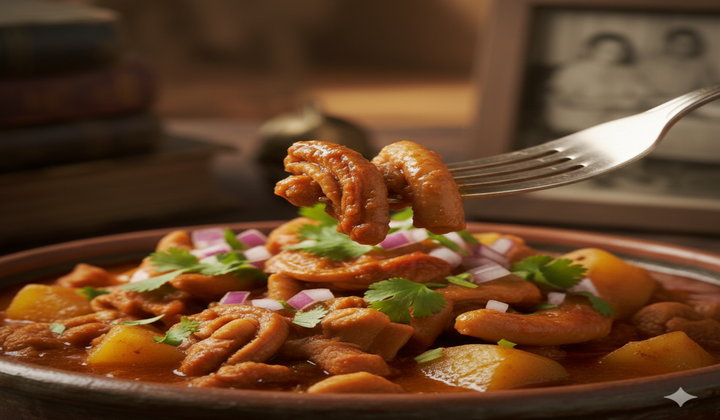
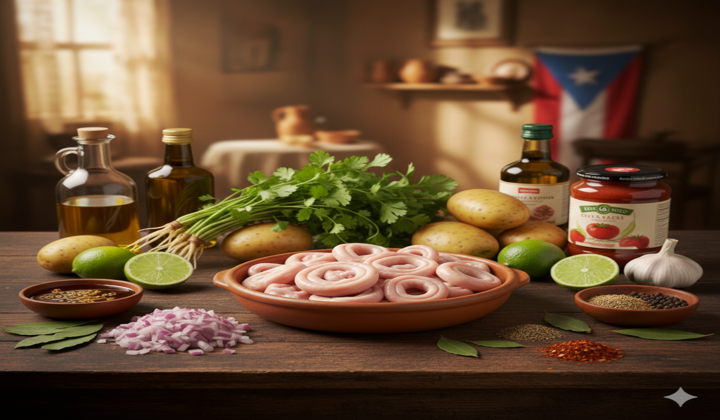
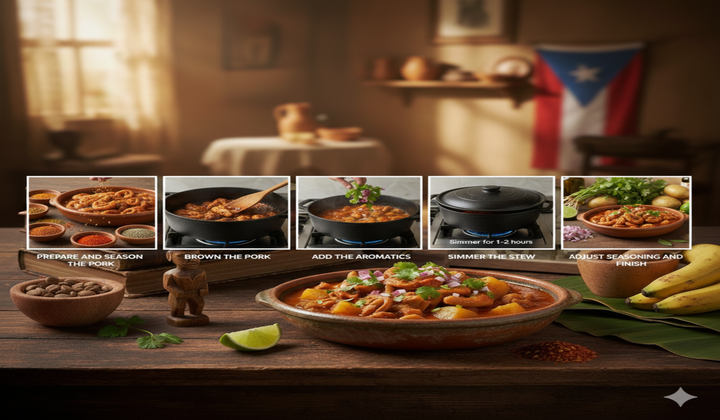
Cuajito does not follow a single fixed recipe. Like many traditional Puerto Rican dishes, it changes slightly from household to household depending on taste, region, and available ingredients.
Tomato-Based Versions
- Include tomato sauce or paste to add color and a slightly deeper flavor.
- This version often tastes richer and is common in families that prefer a thicker, more robust stew.
Non-Tomato Versions
- Rely entirely on sofrito, garlic, and herbs for flavor.
- These versions produce a lighter broth that allows the pork to remain the primary focus.
Cooking Methods
- Stovetop (most common) – Allows gradual flavor development and close control over texture.
- Slow cooker – Offers convenience and works well for long, gentle cooking, especially for busy households.
What to Serve With Cuajito
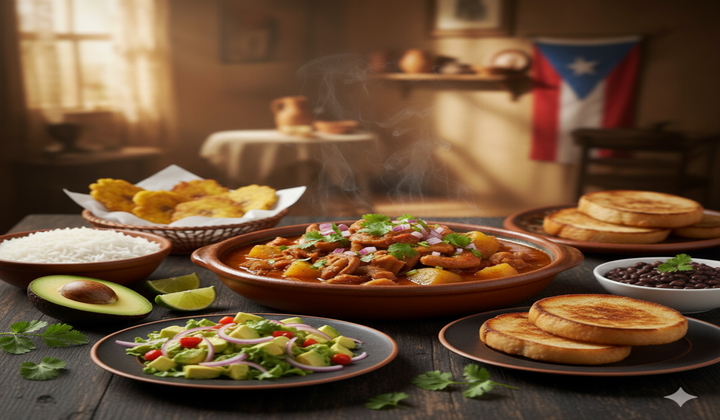
Cuajito is traditionally paired with simple sides that complement its rich, savory pork flavor. These accompaniments help balance the stew and make the meal more satisfying.
Popular Pairings
- White rice – Absorbs the flavorful broth and provides a neutral base that highlights the pork.
- Rice and beans – Adds heartiness and reflects a classic Puerto Rican meal combination.
- Root vegetables (yuca, plantains) – Offer natural sweetness and texture that contrast well with the savory stew.
- These sides keep the focus on cuajito while rounding out the meal in a traditional, comforting way.
Common Mistakes to Avoid
Rushing the Cooking Process
Cuajito requires slow simmering to allow the pork to soften and flavors to develop. Cooking too quickly can result in tough meat and a broth that tastes underdeveloped.
Over-Seasoning Early
Adding too much seasoning at the beginning can overpower the stew as it reduces. It’s better to season lightly at first and adjust gradually toward the end.
Undercooking the Pork
Pork should be fully tender before serving. If removed too early, it can remain chewy and less flavorful, reducing the overall quality of the dish.
Frequently Asked Questions (FAQ)
Is cuajito the same as other Puerto Rican pork stews?
Cuajito is similar to other pork stews but has its own seasoning balance and cooking style. Variations depend on family tradition, ingredients used, and whether tomatoes are included.
Can cuajito be made ahead of time?
Yes, cuajito can be prepared ahead. Many cooks find the flavor improves after resting overnight, as the pork absorbs more seasoning during refrigeration.
What cut of pork works best?
Yes, cuajito can be prepared ahead. Many cooks find the flavor improves after resting overnight, as the pork absorbs more seasoning during refrigeration.
How should leftovers be stored?
Store leftover cuajito in an airtight container in the refrigerator. Reheat gently on the stovetop until hot throughout before serving again.
Conclusion
This cuajito recipe highlights why Puerto Rican pork stew remains a cherished part of home cooking. Cuajito is not about rigid rules—it’s about patience, balance, and respect for tradition. By using simple ingredients and allowing the stew to simmer gently, home cooks can create a comforting dish that reflects Puerto Rican culinary heritage.
Whether you follow this method closely or adapt it to your own taste, cuajito invites exploration, learning, and appreciation of Puerto Rican cuisine in a thoughtful, home-centered way.
You will also like the Voodoo fries recipe.