Flavor and Texture Profile
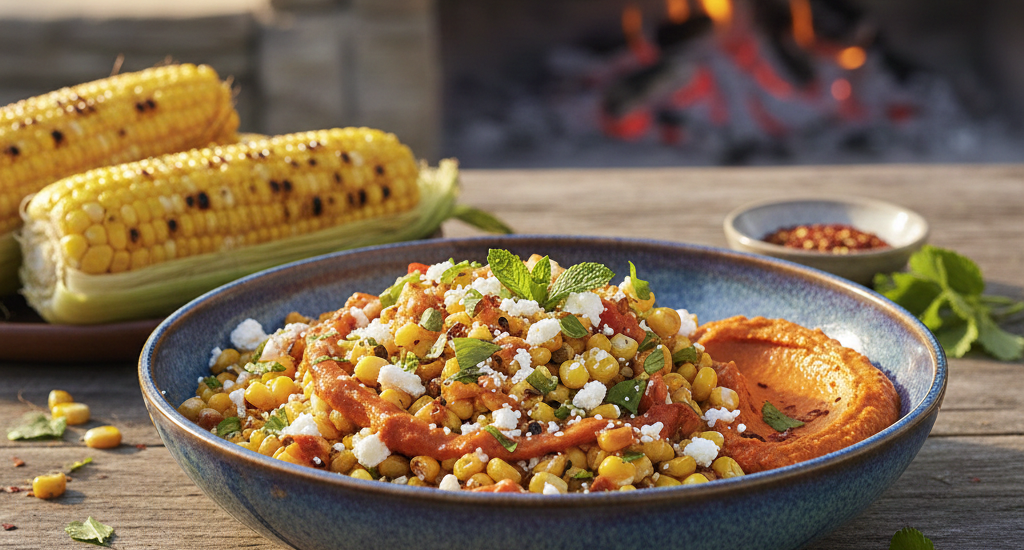
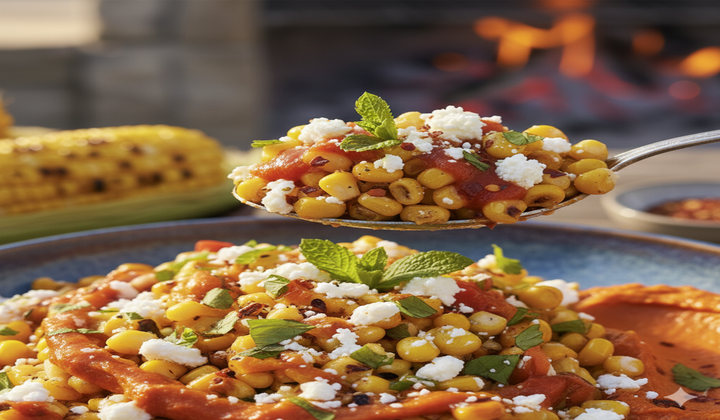
The appeal of fire-roasted corn comes from the balance between light char, natural sweetness, and tender texture. When cooked properly, it delivers bold flavor while remaining simple and fresh.
Light Char
The corn develops small browned spots during cooking. This light charring adds a gentle smoky note without burning the kernels or creating bitterness.
Juicy Kernels
High heat seals in moisture, keeping the inside of the kernels tender and juicy. This contrast between charred exterior and soft interior is key to the restaurant-style finish.
Savory Seasoning
Minimal seasoning enhances the corn’s natural flavor. A touch of salt and mild spices brings out sweetness without overpowering the roasted taste.
Ingredients Overview
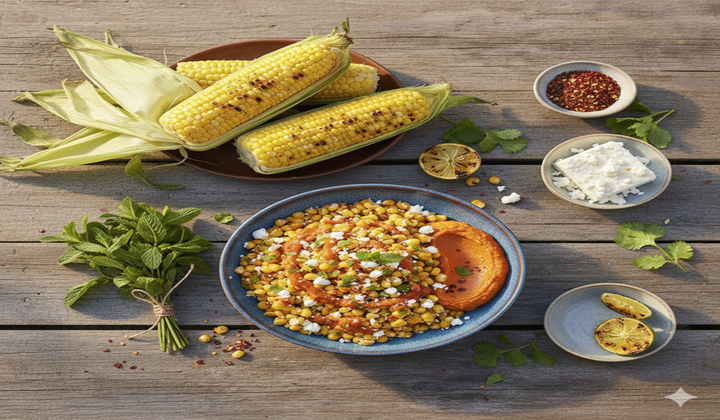
One reason this fire-roasted corn is so popular is its minimal ingredient list. Each ingredient plays a specific role in bringing out flavor while keeping the recipe easy to recreate at home.
Corn Options
Corn is the base of the recipe and can be used in several forms. Fresh corn provides the best natural sweetness, frozen corn works well when fully thawed and dried, and canned corn can be used if rinsed and thoroughly dried to remove excess moisture.
Oil
A neutral oil with a high smoke point is important for proper charring. It allows the corn to roast evenly at high heat without burning or adding unwanted flavor.
Seasonings
A neutral oil with a high smoke point is important for proper charring. It allows the corn to roast evenly at high heat without burning or adding unwanted flavor.
Optional Finishing Touches
Fresh herbs, citrus juice, or a light drizzle of olive oil can be added at the end. These finishing touches brighten the flavor and give the corn a fresh, restaurant-style finish.
CAVA Fire Roasted Corn Recipe (Step-by-Step)
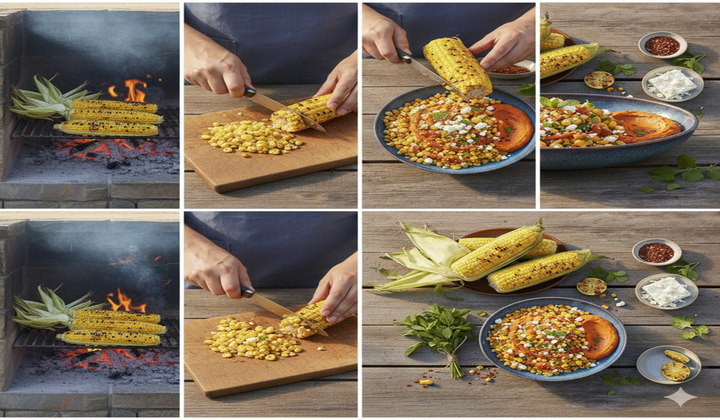
This method focuses on heat and timing to create that signature fire-roasted flavor.
Ingredients (Serves 4–6 as a Topping)
- 3 cups corn kernels
- 1–2 tablespoons neutral oil
- ½ teaspoon salt (adjust to taste)
- Optional: pinch of smoked paprika or cumin
- Optional: squeeze of lemon juice
Step 1: Prepare the Corn
- If using fresh corn, cut kernels from the cob.
- If using frozen, thaw completely and pat dry.
- If using canned, rinse and dry thoroughly.
- Dry corn is essential for charring instead of steaming.
Step 2: Heat the Pan
- Use a heavy skillet (cast iron works best).
- Heat over medium-high to high heat until very hot.
- Add oil and swirl to coat.
Step 3: Fire-Roast the Corn
- Add corn in a single layer.
- Let it sit undisturbed for 2–3 minutes.
- Stir and repeat until lightly charred in spots.
- Total cooking time: about 6–8 minutes.
Step 4: Season and Finish
- Remove from heat.
- Season with salt and optional spices.
- Finish with a squeeze of lemon juice if desired.
- Serve warm or at room temperature.
Tips for Restaurant-Style Char and Flavor
Use High Heat
High heat is essential for proper charring. It allows the corn to brown quickly on the outside while staying juicy inside. Cooking at low heat often causes the corn to steam instead of roast.
Avoid Overcrowding
When too much corn is added to the pan at once, moisture gets trapped. This prevents browning and results in soft, pale kernels rather than lightly charred ones.
Season After Cooking
Adding salt or spices too early can draw moisture from the corn. Seasoning after cooking helps preserve the char and keeps the kernels crisp on the outside.
Ways to Use Fire-Roasted Corn
Fire-roasted corn is extremely versatile and can be used in many everyday meals. Its sweet, smoky flavor adds depth without overpowering other ingredients.
Grain Bowls
Fire-roasted corn pairs well with rice, quinoa, lentils, or farro. It adds color, texture, and a mild sweetness that balances savory sauces and proteins.
Salads
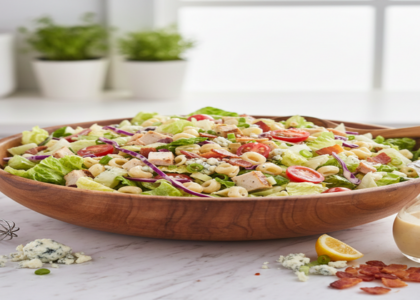
Adding roasted corn to salads brings a pleasant contrast to fresh greens and crisp vegetables. It works especially well in chopped salads and grain-based salad bowls.
Tacos and Wraps
This corn makes a great filling or topping for wraps and tacos. Its smoky sweetness complements both Mediterranean-style fillings and fusion-inspired dishes.
Variations and Customizations
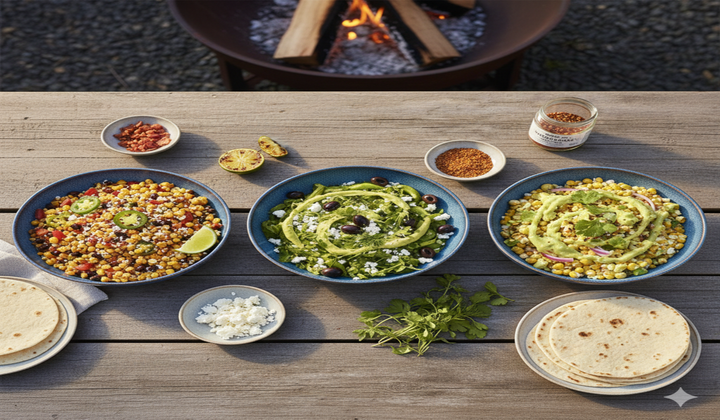
This fire-roasted corn recipe is easy to adjust based on taste preferences. Small changes in seasoning or preparation can create different flavor profiles while keeping the base method the same.
Spicy Version
For extra heat, add chili flakes or a small pinch of cayenne after cooking. This adds warmth without overpowering the natural sweetness of the corn.
Mediterranean Herb Twist
Fresh herbs like parsley or dill can be stirred in at the end. They add brightness and freshness, giving the corn a more Mediterranean-style flavor.
Oil-Free or Lighter Option
For a lighter version, dry-roast the corn in a nonstick pan. Finish with lemon juice to add moisture and flavor without using oil.
Common Mistakes to Avoid
Overcrowding the Pan
Adding too much corn at once traps steam in the pan. This prevents proper browning and results in soft, pale kernels instead of the desired roasted and slightly charred texture.
Cooking at Low Heat
Low heat causes the corn to cook slowly and release moisture. Without enough heat, caramelization doesn’t occur, and the corn lacks the smoky flavor that fire-roasting is meant to create.
Over-Seasoning
Using too many spices can overpower the corn’s natural sweetness. Fire-roasted corn tastes best when seasoning is kept simple, allowing the roasted flavor and light char to remain the focus.
Frequently Asked Questions (FAQ)
Is this the official CAVA fire roasted corn recipe?
No. This is not an official or branded recipe. It is a copycat-style, inspired-by version created for home cooking, using simple ingredients and techniques meant to recreate a similar flavor profile without any affiliation or endorsement.
Can frozen corn be used?
Yes, frozen corn works well for this recipe. Be sure to thaw it completely and pat it very dry before cooking, as excess moisture can prevent proper charring and lead to steaming instead of roasting.
How should leftovers be stored?
Store leftover fire-roasted corn in an airtight container in the refrigerator for up to three days. Allow it to cool completely before storing to prevent condensation, which can affect texture and flavor.
Can this be made ahead of time?
Yes, this corn can be prepared ahead of time. It can be served at room temperature or reheated briefly in a hot skillet to refresh the char and restore some of its roasted flavor.
Conclusion
The Cava fire roasted corn recipe and Hatchet Hall cornbread recipe works because it relies on simple ingredients, high heat, and smart technique. Lightly charred, naturally sweet, and endlessly versatile, this inspired-by version delivers the same vibrant flavor profile people love in restaurant bowls—without requiring special tools or ingredients.
Whether you’re building a Mediterranean grain bowl, refreshing a salad, or adding depth to wraps and tacos, this fire-roasted corn is an easy way to bring restaurant-style flavor into your everyday home cooking.
You will also like the Pioneer Woman ramen noodle salad recipe.