your Fashion , food , lifestyle in one place
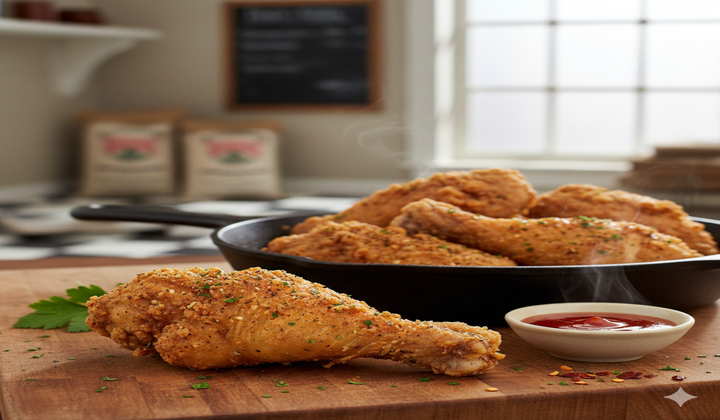
The Harold’s chicken recipe has become legendary in Chicago for its bold flavor, crunchy coating, and unmistakable spicy kick. For decades, Harold’s Chicken Shack locations have served fried chicken that stands apart from typical Southern or fast-food versions. Its longer fry time, assertive seasoning, and signature sauce pairing have made it a true Chicago food icon.
This article breaks down a inspired-by recipe that captures the spirit of Harold’s style chicken without claiming to be official or endorsed. The goal is to help home cooks recreate a Chicago classic fried chicken experience using safe, approachable techniques and everyday kitchen equipment.
Harold’s Chicken refers to a Chicago-style fried chicken known for its dark, crunchy crust and bold seasoning. Unlike lighter, quick-fried styles, this chicken is fried longer at controlled temperatures to build a thick, crackly exterior while keeping the meat juicy.
Harold’s is more than just fried chicken—it’s part of Chicago’s culinary identity. Often served in takeout boxes with fries and sauce, it’s associated with neighborhood joints, late-night meals, and local tradition.
Harold’s chicken has maintained its popularity because it delivers a distinct fried chicken experience that feels bold, filling, and memorable.
The chicken is known for its thick, crunchy crust that forms through longer frying at controlled temperatures. This creates a firm, textured coating that stays crisp even when paired with sauce.
The seasoning blend provides noticeable heat without overpowering the chicken. Spices are layered to enhance flavor depth, giving the chicken its signature Chicago-style bite.
One of the most recognizable traits is the sauce served with the chicken. Whether drizzled or dipped, the sauce adds moisture and tang, creating contrast against the crispy exterior.
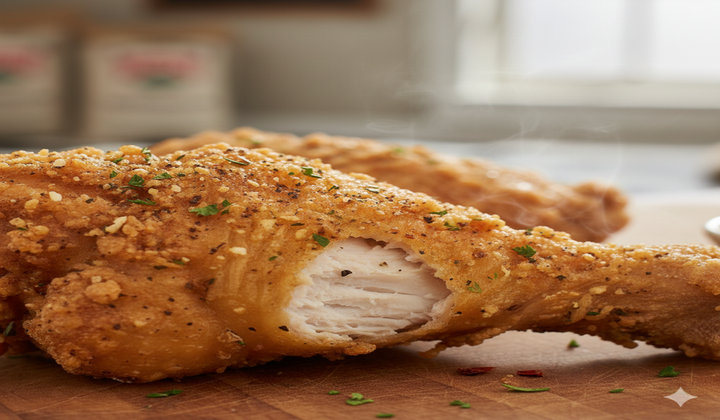
Harold’s style chicken is known for its deep, crunchy crust and juicy interior. The coating is firm and well-seasoned, while the meat stays tender from slower frying. The spice builds gradually, creating bold flavor without overpowering the chicken.
The flour coating fries into a dark, crackly shell that delivers a firm crunch with every bite. The longer frying time helps build a thicker crust compared to lighter fried chicken styles.
Despite the extended frying process, the chicken remains moist when cooked at controlled temperatures. Bone-in cuts help retain juices, preventing dryness inside the crust.
The spice level is noticeable but controlled. Heat builds gradually rather than overwhelming the palate, allowing the savory seasoning to complement the chicken’s natural flavor.
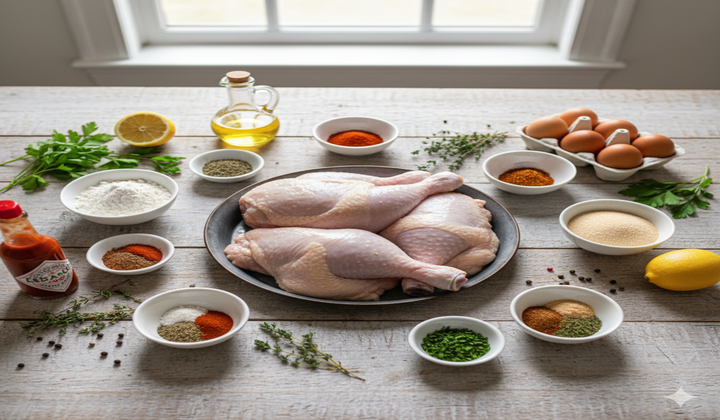
This Harold’s chicken–style recipe uses straightforward ingredients that focus on bold seasoning, proper coating, and moisture retention during frying. Each component plays a role in building flavor layers, creating a crunchy crust, and keeping the chicken juicy throughout the longer cooking process.
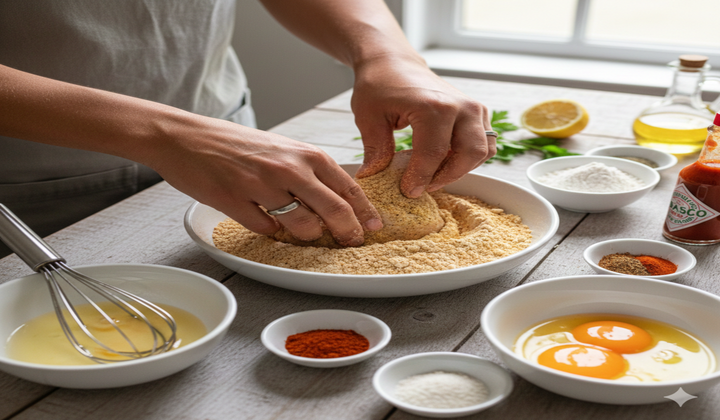
This method focuses on deep seasoning, proper marination, and controlled frying to recreate the bold flavor and crunchy texture associated with Chicago-style fried chicken. The process emphasizes patience, temperature control, and resting time to achieve juicy meat and a thick, crispy crust suitable for home kitchens.
For the Chicken
For the Coating
Maintaining steady oil temperature is essential for proper crust development. Oil that is too hot burns the coating before the chicken cooks through, while oil that is too cool causes greasy, soft skin instead of a crisp exterior.
Applying a second light coating of seasoned flour helps create a thicker, crunchier crust. Allowing the chicken to rest briefly between coatings improves adhesion and texture during frying.
Resting the chicken before and after frying allows moisture to redistribute and helps the crust firm up. This step improves crunch and prevents steam from softening the coating.
Harold’s style chicken is often enjoyed with sauce, which adds contrast to the crispy coating and enhances overall flavor. The sauce is typically thin and tangy rather than thick, allowing it to soak slightly into the crust without making it soggy. Many people prefer drizzling a small amount directly over the chicken or using it as a dip on the side.
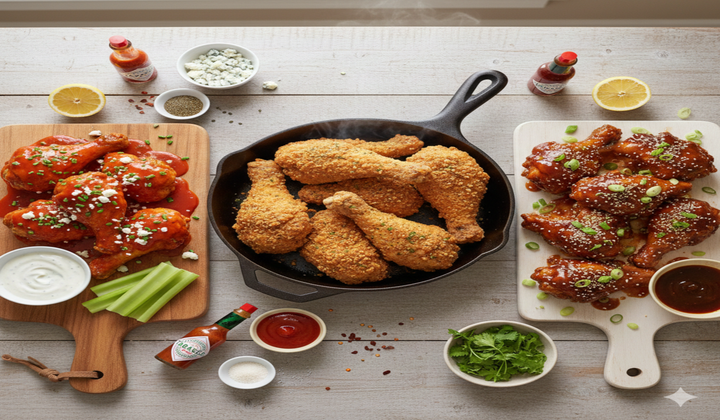
The heat level can easily be adjusted by changing the amount of cayenne or hot sauce used. Reducing spice creates a milder version, while increasing it delivers a stronger, bolder kick.
Some cooks prefer frying the chicken until the crust forms, then finishing it in the oven. This method helps ensure even cooking inside without over-browning the exterior.
While thighs and drumsticks are traditional, wings cook faster and work well for parties. Breast pieces can also be used but require careful temperature control to avoid dryness.
Incorrect oil temperature is one of the most common issues. Oil that is too hot burns the coating before the chicken cooks through, while oil that is too cool causes greasy, soft crust instead of crisp texture.
Adding too many pieces at once lowers the oil temperature and traps steam. This prevents proper browning and leads to unevenly cooked chicken with a soggy exterior.
Adding too many pieces at once lowers the oil temperature and traps steam. This prevents proper browning and leads to unevenly cooked chicken with a soggy exterior.
No. This is a inspired-by recipe created for home cooking. It is not official, endorsed, or affiliated with Harold’s Chicken Shack, and it simply recreates a similar flavor and texture using home-kitchen methods.
Harold’s-style chicken is fried at slightly lower temperatures for a longer time to develop a darker, crunchier crust while allowing the meat to cook through evenly without drying out.
Yes. The spice level is adjustable. You can reduce or omit cayenne pepper and hot sauce while keeping paprika and garlic powder for flavor, resulting in a milder but still well-seasoned fried chicken.
Store leftover chicken in an airtight container in the refrigerator for up to three days. Reheat in an oven or air fryer to help restore crispness instead of using a microwave.
This Harold’s chicken recipe and Moe’s adobo chicken recipe captures the essence of a Chicago classic fried chicken: bold seasoning, crunchy crust, and juicy meat. While not official, this Harold’s style chicken approach focuses on technique, balance, and respect for the original inspiration.
With proper marination, careful frying, and patience, home cooks can confidently recreate a crispy spicy fried chicken experience that reflects the spirit of Chicago’s most famous fried chicken tradition—right from their own kitchen.
You will also like the Lloyds carrot cake recipe.


Kesha Smith is a lifestyle blogger passionate about simple living, healthy habits, and everyday inspiration. On this website, you’ll find