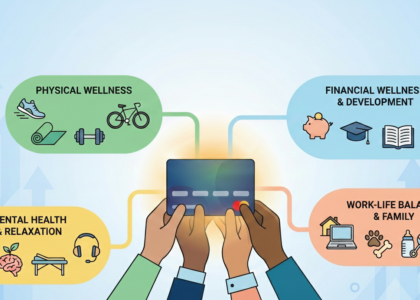
your Fashion , food , lifestyle in one place
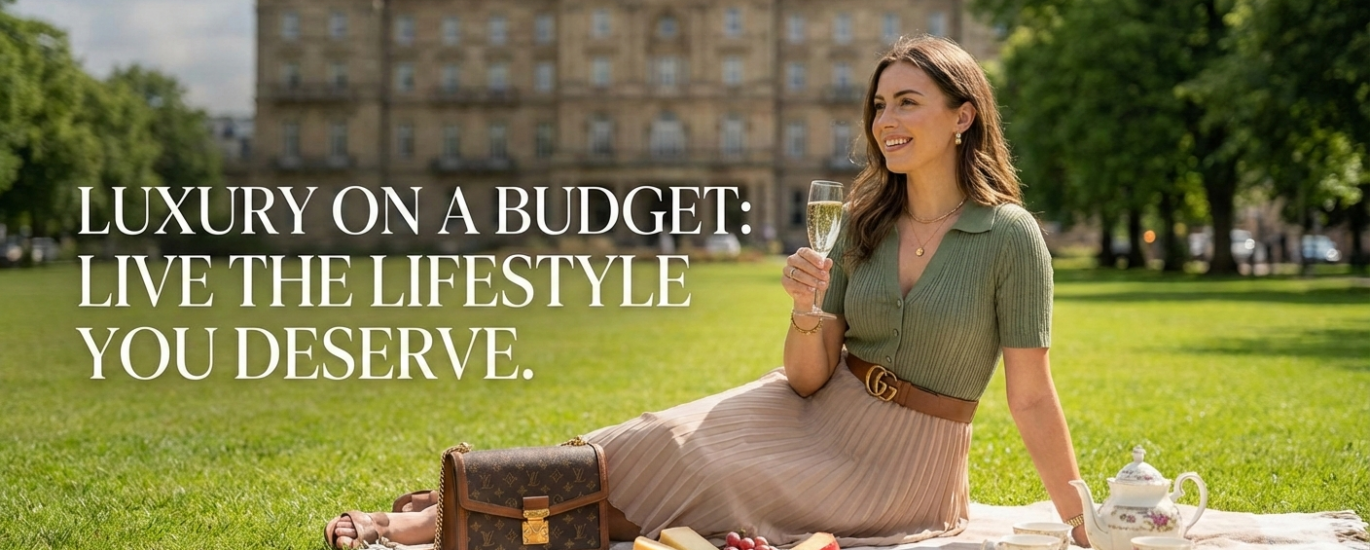
Many people search for how to live a luxurious lifestyle on a budget because they want to improve their quality of life without financial stress or unrealistic expectations. In today’s world, luxury is often portrayed as expensive homes, designer labels, or constant travel, but that version of luxury is not achievable—or sustainable—for most people.
A more realistic approach focuses on affordable luxury living, where comfort, quality, and enjoyment are prioritized over price tags. Living well does not require being wealthy, taking on debt, or chasing appearances. Instead, it involves intentional choices, thoughtful spending, and a clear understanding of what truly adds value to daily life.
This article offers practical, ethical, and financially responsible guidance for adults who want to enjoy a luxury lifestyle on a budget while maintaining long-term stability.
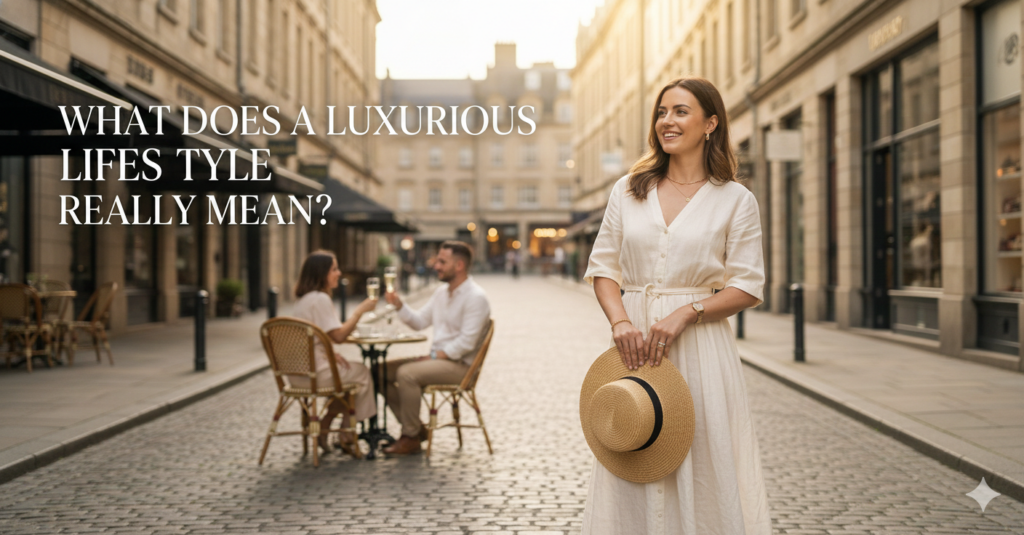
Before discussing tactics, it is important to redefine what “luxury” actually means.
Luxury is often misunderstood as excess or extravagance. In reality, a luxurious lifestyle is more accurately defined by:
Comfort and ease in daily routines
High-quality items that last
Time for rest, growth, and meaningful experiences
A sense of control over finances and choices
Luxury does not have to be material-focused. Many people who live well prioritize calm environments, personal health, and experiences over constant consumption. Understanding this broader definition is essential to learning how to live luxuriously without being rich.
One of the most important mindset shifts is spending with intention rather than impulse. Instead of buying frequently, focus on purchasing items and experiences that genuinely improve your life.
Ask yourself:
Will this add long-term value?
Does this align with my priorities?
Am I buying this for utility or appearance?
Intentional spending helps reduce waste and increases satisfaction.
A luxury lifestyle on a budget often involves owning fewer things—but better ones. Quality items tend to last longer, look better over time, and reduce the need for frequent replacements.
This approach supports both financial sustainability and personal well-being.
Living well also involves conscious choices about time, energy, and habits. Rest, organization, and routines contribute just as much to a sense of luxury as physical possessions.

Developing smart spending habits is central to budget luxury tips that actually work.
Focus spending on areas that affect your daily life most, such as:
Bedding and sleep quality
Comfortable, durable clothing
Tools or equipment used regularly
These purchases provide ongoing benefits rather than short-term excitement.
Impulse purchases often lead to clutter and regret. Strategies to reduce impulse spending include:
Waiting 24–48 hours before buying
Keeping a shopping list
Setting monthly discretionary limits
These habits support both financial health and mindful living.
Planning allows you to:
Compare quality and prices
Buy during sales or off-seasons
Avoid unnecessary upgrades
Planning transforms lifestyle spending account from reactive to intentional.

Small, consistent upgrades can dramatically improve how life feels day to day.
Your living space plays a major role in perceived luxury.
Affordable upgrades include:
Decluttering and organizing
Improving lighting with warm bulbs
Adding plants or simple decor
Keeping spaces clean and well-maintained
A calm, orderly home often feels more luxurious than an expensive but chaotic one.
Luxury is often associated with being well put together, not wearing expensive brands.
Focus on:
Proper fit rather than labels
Neutral, versatile clothing
Regular grooming and self-care routines
Well-maintained basics often look more refined than trend-driven purchases.
Taking care of your physical and mental health is a foundational form of affordable luxury living.
Low-cost habits include:
Consistent sleep routines
Home workouts or walking
Mindfulness or journaling
Preparing balanced meals
These habits improve quality of life without high expenses.
Experiences often provide more lasting satisfaction than material purchases.
Luxury travel does not require expensive resorts or frequent flights.
Budget-friendly alternatives include:
Local getaways or staycations
Traveling during off-peak seasons
Exploring nearby towns or nature areas
The focus is on rest and novelty, not expense.
Restaurant-quality experiences can be recreated at home.
Ideas include:
Cooking new recipes
Hosting simple dinner gatherings
Creating a pleasant dining atmosphere
These experiences offer enjoyment without recurring high costs.
Many enriching experiences are free or low-cost:
Museums on free days
Public lectures or workshops
Community events or libraries
These activities add depth and enjoyment to life without financial pressure.

Appearance-based luxury is often about simplicity and consistency.
Classic styles tend to look refined and remain relevant longer.
Examples include:
Simple silhouettes
Neutral color palettes
Minimal patterns
Timeless pieces reduce the need for constant wardrobe updates.
Taking care of what you own enhances both appearance and longevity.
Key practices include:
Proper cleaning and storage
Basic repairs when needed
Regular maintenance
Well-maintained items often look more expensive than neglected ones.
A consistent personal style feels more intentional and polished than frequently changing trends. Consistency supports the goal of a luxury lifestyle on a budget.

Understanding what not to do is just as important.
As income increases, expenses often rise automatically. Avoid increasing spending without clear purpose.
Maintaining control over lifestyle inflation helps preserve financial stability.
Spending to impress others often leads to dissatisfaction and stress. True luxury is personal comfort and confidence, not external validation.
Using credit to maintain appearances can undermine long-term financial health. A sustainable approach avoids high-interest debt and focuses on affordability.
Yes, by focusing on quality, habits, and experiences rather than spending levels. Luxury is relative and personal.
No. Time, health, comfort, and peace of mind are often more important than financial displays.
By budgeting intentionally, prioritizing high-impact spending, and avoiding unnecessary expenses, it is possible to enjoy life while saving consistently.
Yes. A mindful, values-based approach to spending is often more sustainable than high-consumption lifestyles.
Learning how to live a luxurious lifestyle on a budget is ultimately about redefining luxury itself. Rather than chasing expensive symbols, affordable luxury living focuses on comfort, quality, and intentional choices that align with long-term well-being.
By shifting mindset, practicing smart spending habits, and valuing experiences and daily comfort, it is possible to live well without financial strain. Luxury does not require excess—it requires awareness, balance, and responsibility.
A sustainable luxury lifestyle is one that enhances life today while protecting financial stability for the future.


Kesha Smith is a lifestyle blogger passionate about simple living, healthy habits, and everyday inspiration. On this website, you’ll find