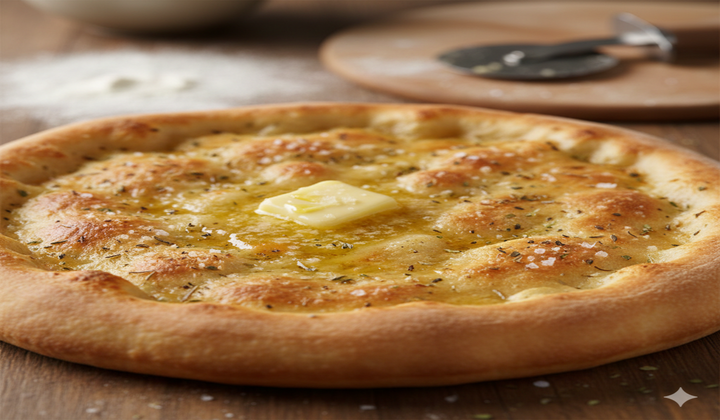
The Round Table pizza crust recipe is frequently searched by home cooks who love the soft, chewy, and slightly buttery texture found in classic restaurant-style pizzas. That signature bite—pillowy inside with a gentle chew—can feel hard to recreate at home without the right approach. This guide walks you through a inspired-by recipe designed for home kitchens. It does not claim to be official or endorsed, but it focuses on techniques and ingredient choices that help achieve a similar texture and flavor. With clear steps and practical tips, you can confidently make a soft, chewy pizza crust that feels restaurant-worthy.
What Makes Round Table Pizza Crust Unique?
Round Table pizza crust stands out because it strikes a rare balance between softness, chew, and richness. Unlike thin or overly crisp crusts, it has a tender interior that stays fluffy even after baking. The dough is kneaded enough to develop structure, giving it a satisfying chew without becoming tough. A touch of oil or butter adds mild richness, creating a smooth, slightly buttery flavor that supports toppings instead of overpowering them.
Soft Interior
The crust stays light and pillowy on the inside. Proper yeast fermentation and balanced hydration create an airy crumb that feels tender rather than dry, making every bite comfortable and satisfying.
Chewy Texture
Round Table–style crust has a noticeable chew without being tough. This comes from higher-protein flour and thorough kneading, giving the dough strength while still remaining easy to bite through.
Buttery Flavor Profile
A small amount of oil or butter in the dough adds subtle richness. The flavor isn’t heavy or greasy—just enough to enhance the crust and complement sauces, cheese, and toppings naturally.
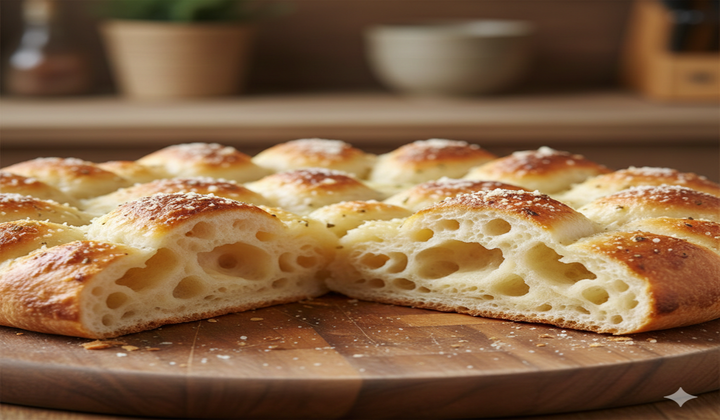
Flavor and Texture Profile of Round Table–Style Crust
Round Table–style crust is soft and airy on the inside with a gentle chew. It has a mild, slightly buttery flavor and a lightly set exterior, creating a balanced crust that’s tender, flavorful, and sturdy enough to hold toppings.
Crumb Structure
- Even Air Pockets
The dough develops small, uniform air bubbles during fermentation, which helps the crust rise evenly and stay light instead of dense or compact.
- Light but Supportive Base for Toppings
The interior remains soft and airy while still being strong enough to hold sauce, cheese, and toppings without collapsing or becoming soggy.
Chew vs Crisp Balance
- Soft Center
The inside of the crust stays tender and slightly stretchy, giving that satisfying chew without feeling heavy or doughy.
- Lightly Set Exterior, Not Crunchy
The outer surface firms up just enough to hold its shape, but it remains soft rather than crispy or hard, keeping the crust restaurant-style and balanced.
Buttery Finish
- Mild Richness
The buttery flavor is gentle, adding warmth and depth without making the crust taste greasy or heavy.
- Enhances Overall Flavor
The light butter notes complement cheese, sauce, and toppings, helping the crust taste flavorful even when eaten on its own.
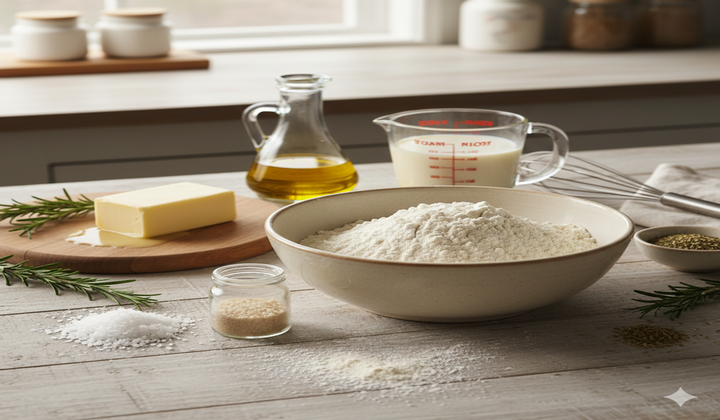
Ingredients Overview
The Round Table–style pizza crust uses simple, everyday ingredients, but each one plays an important role in achieving the soft, chewy, and slightly buttery texture. Flour provides structure, yeast creates rise and airiness, and fats like oil or butter add tenderness. Proper balance between liquids and seasonings helps the dough stay flavorful, elastic, and easy to shape.
Flour Type
Bread flour is commonly preferred because its higher protein content creates a chewier crust. All-purpose flour also works, producing a slightly softer texture while still holding toppings well.
Yeast
Active dry or instant yeast helps the dough rise properly, creating light air pockets and preventing the crust from becoming dense.
Fats (Oil or Butter)
Oil adds softness to the dough, while butter contributes a mild richness that gives the crust its signature buttery flavor.
Liquids and Seasonings
Warm water or milk hydrates the flour and activates the yeast, salt enhances overall flavor, and a small amount of sugar can help support yeast activity and browning.
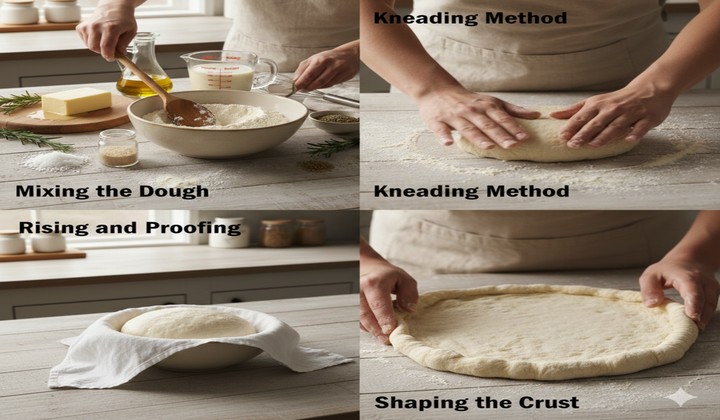
Round Table Pizza Crust Recipe (Step-by-Step)
This Round Table–style pizza crust recipe is designed to create a soft, chewy texture with a light buttery flavor. Proper kneading, full rising, and high-heat baking help produce a tender interior and a gently set exterior similar to restaurant-style pizza.
Mixing the Dough
- In a large bowl, combine warm water (not hot) and yeast.
- Let sit until foamy, about 5 minutes.
- Add oil or melted butter, salt, and flour gradually.
- Stir until a shaggy dough forms.
Kneading Method
- Transfer dough to a lightly floured surface.
- Knead for 8–10 minutes until smooth and elastic.
- Dough should feel soft but not sticky.
Rising and Proofing
- Place dough in a lightly oiled bowl.
- Cover and let rise in a warm spot until doubled, about 60–90 minutes.
Shaping the Crust
- Gently punch down dough to release air.
- Shape into a round without overworking.
- Let rest briefly before topping.
Baking the Pizza Crust at Home
Baking the pizza crust at home helps lock in a soft, chewy texture. A hot oven allows the dough to rise properly, while a stone or pan controls the bottom texture. Light par-baking can prevent sogginess and improve overall results.
Oven Temperature
- Preheat oven to 475–500°F (245–260°C)
- High heat helps set structure quickly
Pan vs Stone Options
- Pizza stone: more even heat, better rise
- Baking pan: softer bottom, easier handling
Par-Baking Tips
- Bake crust alone for 3–5 minutes
- Add toppings afterward to prevent sogginess
Tips for Soft, Chewy & Buttery Results
To achieve a Round Table–style crust, focus on moisture, fat, and baking control. Using slightly higher hydration keeps the crumb soft, while oil or butter in the dough adds tenderness and richness. Gentle handling prevents toughness, and removing the crust as soon as it turns lightly golden helps maintain a soft, chewy interior rather than a dry finish.
Hydration Control
- Slightly higher hydration = softer crumb
- Avoid adding too much flour during kneading
Fat Placement
- Oil or butter in dough adds tenderness
- Brushing edges lightly before baking enhances flavor
Avoiding Over-Baking
- Remove pizza once crust is set and lightly golden
- Over-baking dries out the interior
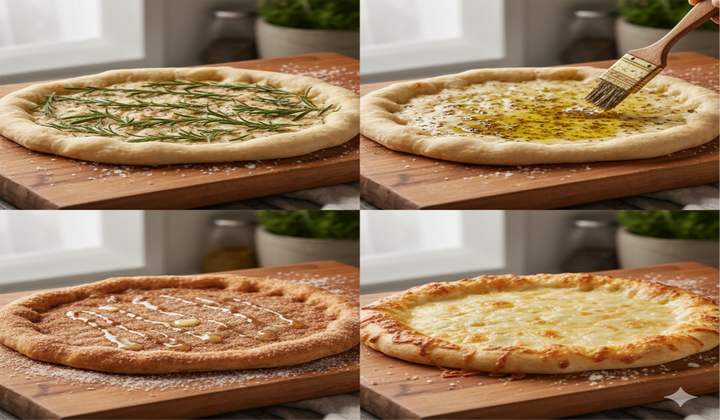
Variations and Customizations
This Round Table–style pizza crust is easy to adapt based on taste and texture preferences. Small changes in flour, fat, or shaping can create noticeable differences without changing the basic method.
- Whole-Wheat Blend: Replacing a small portion of white flour with whole wheat adds mild nuttiness while keeping the crust soft if limited to about one-quarter of the total flour.
- Garlic-Butter Crust: Brushing the baked edges with melted garlic butter enhances aroma and gives a richer, restaurant-style finish.
- Thin or Thick Crust Options: Rolling the dough thinner and shortening the rise creates a lighter crust, while allowing a longer proof and gentle shaping produces a thicker, fluffier base.
Common Mistakes to Avoid
- Too Much Flour: Adding excess flour during mixing or kneading makes the dough stiff and dry, which prevents the crust from staying soft and chewy after baking.
- Under-Proofing: If the dough isn’t given enough time to rise, it won’t develop proper air pockets, resulting in a dense and heavy crust instead of a light, airy one.
- Baking at Incorrect Temperatures: Using an oven that’s too cool leads to a pale, tough crust. High heat is essential to set the structure quickly while keeping the inside soft.
Frequently Asked Questions (FAQ)
Is this the official Round Table pizza crust recipe?
No, this is not the official Round Table recipe. It is a inspired-by version created for home cooks, using simple ingredients and techniques to achieve a similar soft, chewy, buttery restaurant-style crust.
Can the dough be made ahead of time?
Yes, pizza dough can easily be made ahead and stored in the refrigerator for up to 24 hours. Slow refrigeration improves flavor development and also makes the dough easier to stretch and shape before baking.
Can this crust be frozen?
Yes, the dough freezes well after the first rise. Wrap it tightly to prevent moisture loss, then thaw overnight in the refrigerator. Freezing helps with meal prep while maintaining good texture when baked properly.
What flour works best for chewy pizza crust?
Yes, the dough freezes well after the first rise. Wrap it tightly to prevent moisture loss, then thaw overnight in the refrigerator. Freezing helps with meal prep while maintaining good texture when baked properly.
Conclusion
This Round Table pizza crust recipe offers a practical way to recreate a soft, chewy, and buttery pizza base at home without specialized equipment. By focusing on hydration, gentle handling, and proper baking temperature, you can achieve a crust that feels close to restaurant-style while remaining approachable for home cooks.
With flexible variations and make-ahead options, this crust encourages confident, creative pizza making—right from your own kitchen.
You will also like the Portillos chocolate cake.