your Fashion , food , lifestyle in one place
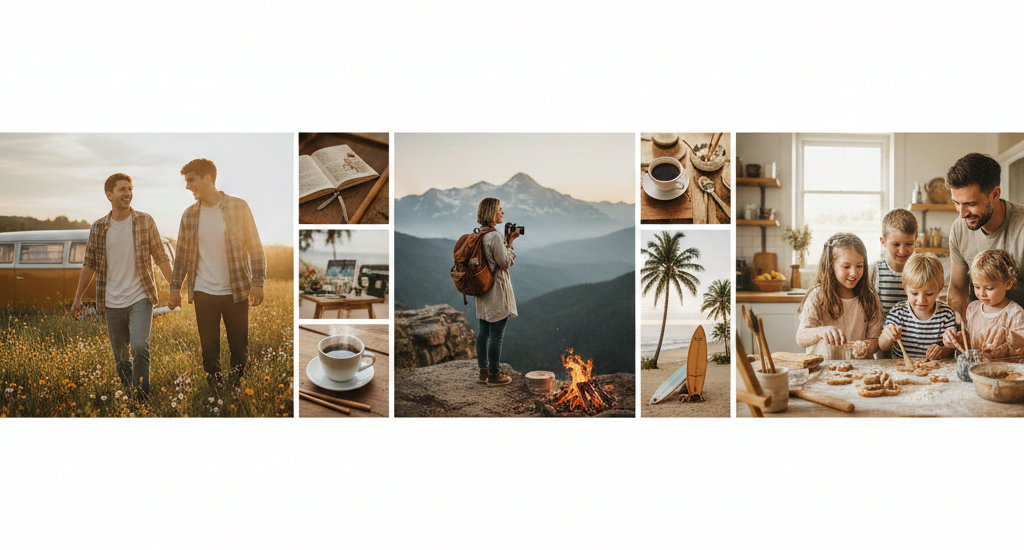
Many people search for what is lifestyle photography because they encounter the term online, on social media, or while learning about different photography styles. At first glance, lifestyle photography can seem similar to portrait or candid photography, which often leads to confusion about what truly defines it.
In simple terms, lifestyle photography focuses on capturing real-life moments in a natural, storytelling way. Rather than stiff poses or highly controlled studio setups, it aims to show people as they genuinely are in everyday environments. This approach helps viewers connect emotionally with the images.
Understanding lifestyle photography is helpful for beginners, creative enthusiasts, and anyone curious about how photography can tell authentic stories without feeling overly staged or commercial.
A clear lifestyle photography definition is essential for understanding the style.
Lifestyle photography is a genre of photography that documents real-life situations, interactions, and environments in a natural and visually appealing way. The goal is to tell a story that feels authentic, relatable, and emotionally engaging.
The core philosophy behind lifestyle photography includes:
Capturing genuine moments rather than perfect poses
Highlighting everyday life in an artistic way
Creating images that feel personal and natural
When people ask about lifestyle photography meaning, they are usually referring to this balance between realism and intentional composition. While the moments may be guided, the emotions and interactions are meant to feel real.
Lifestyle photography has several defining features that set it apart from other styles.
Subjects are encouraged to interact naturally rather than hold rigid poses. Conversations, movement, and small gestures are often part of the scene.
Photos are usually taken in real locations such as homes, streets, workplaces, or outdoor settings. These environments help add context and depth to the story.
A strong emotional element is central to lifestyle photography. Images often convey warmth, connection, joy, or everyday calm.
While some direction may be given, the goal is not perfection. Poses are loose, flexible, and adapted to the moment rather than strictly controlled.
Understanding how lifestyle photography compares to other genres helps clarify its purpose.
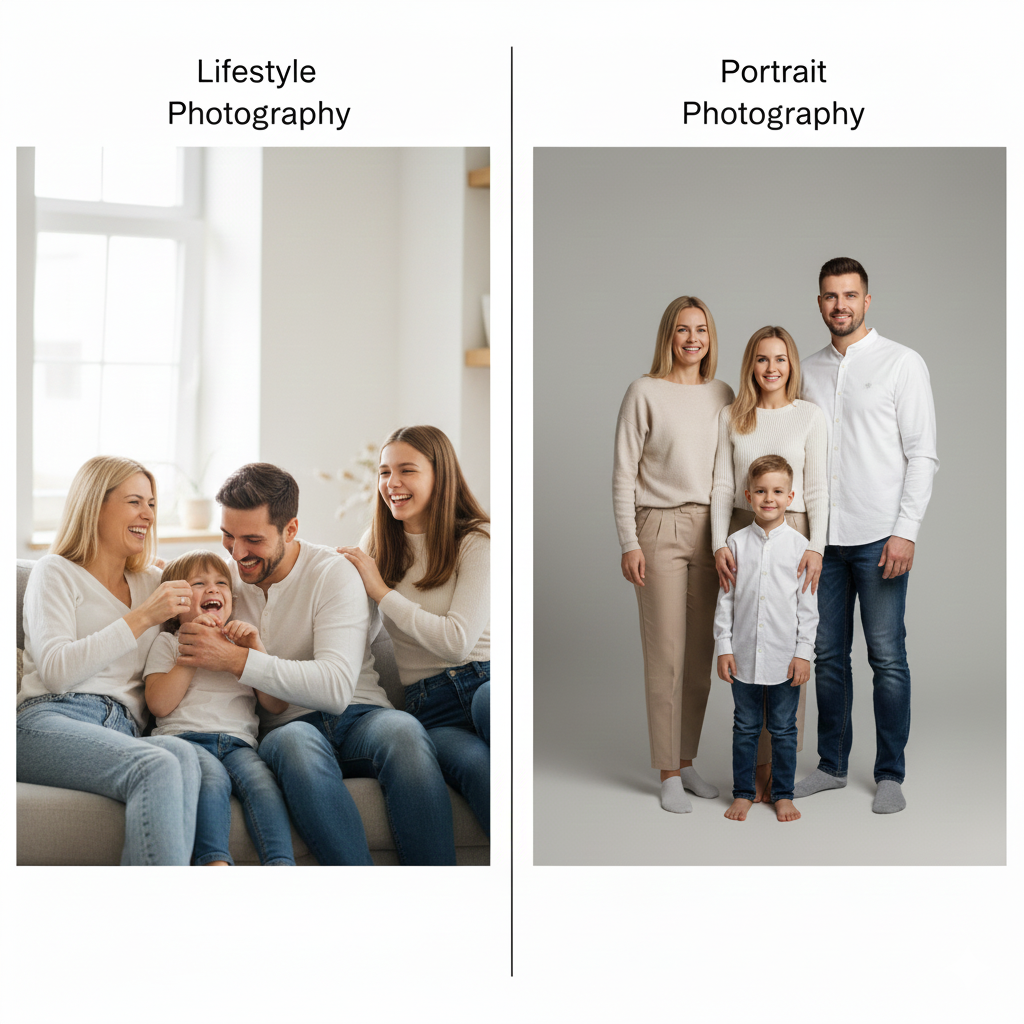 Lifestyle vs Portrait Photography
Portrait photography typically focuses on:
Posed subjects
Controlled lighting
Emphasis on facial expression and appearance
Lifestyle photography, by contrast, focuses more on:
Interaction and context
Environment and movement
Storytelling over formal posing
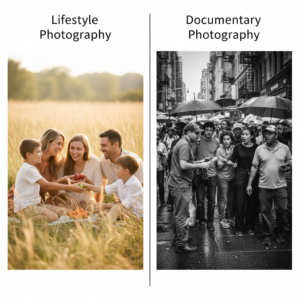
Documentary photography aims to capture events exactly as they happen, often without intervention. Lifestyle photography may include light direction to improve composition or lighting while still maintaining authenticity.
Commercial photography is designed primarily for advertising and sales. Lifestyle photography can be used commercially, but its visual language feels more natural and less promotional.
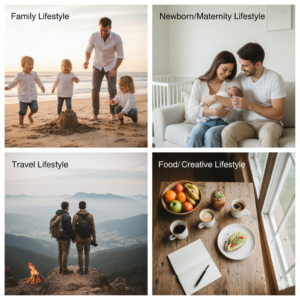
There are several types of lifestyle photography, each serving different storytelling needs.
This type focuses on daily routines, relationships, and milestones. It often captures moments such as:
Time spent at home
Outdoor activities
Celebrations or simple gatherings
Brands and entrepreneurs use lifestyle photography to show how products or services fit into real life. These images help humanize brands and make them more relatable.
This type highlights people interacting with their surroundings while traveling outdoor in the World. The focus is on experience, culture, and atmosphere rather than landmarks alone.
Editorial lifestyle photography is often used in magazines and online publications. It supports written stories by visually representing real-life situations and themes.
Lifestyle photography appeals to a wide range of individuals and organizations.
People often choose lifestyle photography to capture memories in a more natural way. These images tend to feel timeless and personal.
Businesses, influencers, and creatives use lifestyle photography to tell stories that feel authentic rather than overly polished.
Any project that values emotional connection, relatability, and narrative can benefit from lifestyle photography.
While the style looks effortless, lifestyle photography still requires skill and intention.
Photographers often rely on available light from windows or outdoor settings. Natural light helps maintain a realistic and soft appearance.
Careful framing ensures that images feel balanced while still appearing spontaneous. Background elements are considered to avoid distractions.
Photographers stay alert and patient, ready to capture genuine expressions and interactions as they unfold.
Helping subjects feel relaxed is essential. Clear communication and a calm environment allow people to act naturally in front of the camera.
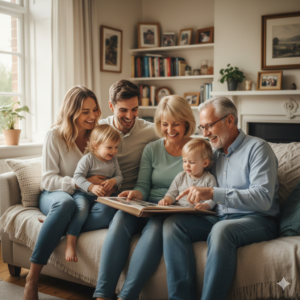
Lifestyle photography has grown in popularity for several reasons.
Viewers often feel more connected to images that reflect real life. Authentic moments are easier to relate to than highly staged scenes.
Lifestyle photography shows situations that people recognize from their own lives, making the images feel familiar and approachable.
Modern visual culture values storytelling. Lifestyle photography aligns well with platforms and publications that emphasize narrative over perfection.
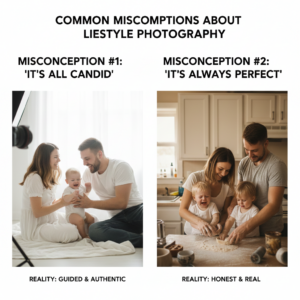
Despite its popularity, several misconceptions persist.
While lifestyle photography includes candid elements, it often involves thoughtful planning, direction, and composition.
Capturing natural moments while maintaining visual quality requires technical knowledge, timing, and communication skills.
Many lifestyle sessions are planned in terms of location, lighting, and activity, even if the final images feel spontaneous.
Lifestyle photography may involve light direction, but it aims to preserve natural interactions rather than create artificial scenes.
Yes. A lifestyle photographer often provides gentle guidance to help subjects feel comfortable and create meaningful moments.
Yes. Beginners can learn lifestyle photography by practicing observation, understanding light, and focusing on storytelling rather than perfection.
Yes. Many brands use lifestyle photography to present products and services in real-world contexts without overly promotional visuals.
Understanding what is lifestyle photography helps clarify why this style resonates with so many people. At its core, lifestyle photography is about capturing real moments, natural interactions, and meaningful stories in everyday settings.
Rather than focusing on perfection, it values authenticity, emotion, and connection. Whether used for personal memories, creative projects, or visual storytelling, lifestyle photography offers a flexible and approachable way to document life as it happens.
By exploring this style thoughtfully, photographers and viewers alike can gain a deeper appreciation for the beauty found in ordinary moments.


Kesha Smith is a lifestyle blogger passionate about simple living, healthy habits, and everyday inspiration. On this website, you’ll find