tralinggigs
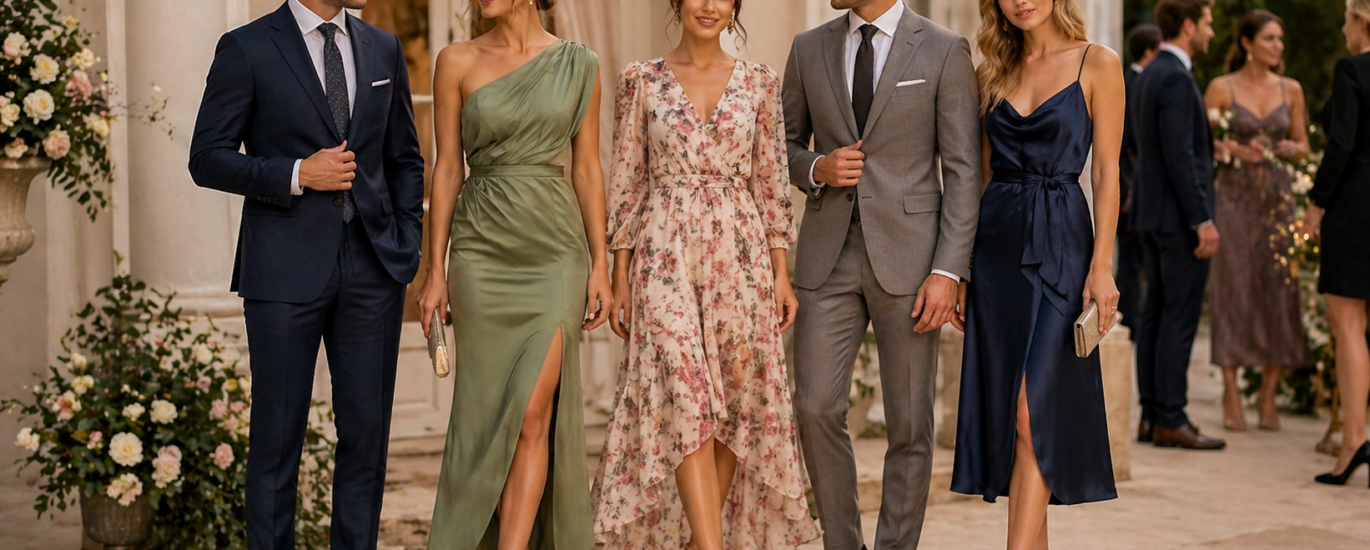
I receive a wedding invitation with “semi-formal attire” on it and immediately panic. What does that even mean? Too dressy feels overdone, too casual seems disrespectful, and finding the perfect balance stresses me out more than it should. I stand in front of my closet for thirty minutes, trying on outfit after outfit, wondering if I look appropriate or ridiculous.
After attending dozens of semi-formal weddings over the years, I finally crack the code. Semi-formal sits in that sweet spot between casual and black-tie polished and elegant but not over-the-top formal. It requires thought and effort but does not demand floor-length gowns or tuxedos.
In this guide, I share exactly what I wear to semi-formal weddings, complete outfit formulas for women and men, styling tips by season, and the accessories that pull everything together perfectly. No more outfit panic. I help you nail semi-formal wedding attire with confidence every single time.
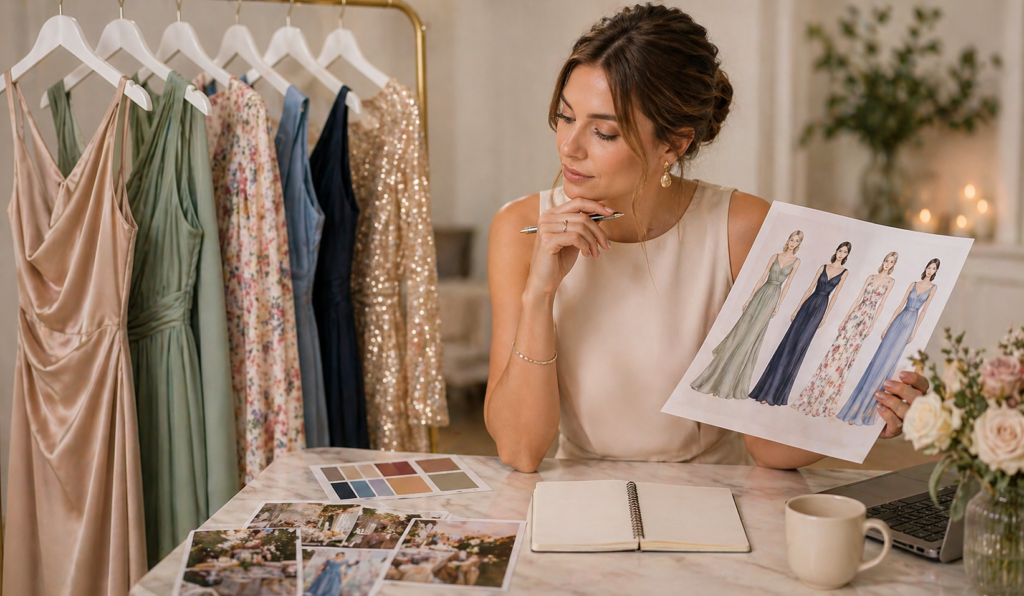
Semi-formal wedding attire occupies a middle ground I learn to navigate with practice. It is not as formal as black-tie, which means no floor-length gowns are require for women. It feels dressier than cocktail attire, asking for more polished choices. It sits more elevate than smart casual, which means definitely not jeans or casual separates. I think of it as refine elegance without full formality the kind of outfit I wear to impress without feeling like I attend a gala.
Time of day matters significantly in how I interpret the semi-formal dress code. Daytime semi-formal weddings call for lighter fabrics and softer colors that feel fresh and appropriate for afternoon ceremonies. Evening semi-formal allows richer fabrics and deeper tones that suit the more romantic nighttime atmosphere. I adjust my outfit base on ceremony start time, which the invitation always lists.
The venue gives me major clues about how to style my semi-formal wedding outfit. Garden or outdoor weddings mean I choose breathable fabrics and practical shoes for grass or uneven surfaces. Hotel ballrooms signal I can lean slightly dressier with my choices. Country club venues tell me classic elegance works best. The venue essentially tells me how formal to go within the semi-formal range, which helps narrow my decisions.
Season influences my choice dramatically. Summer weddings mean lighter fabrics and brighter colors feel appropriate. Fall and winter weddings allow heavier fabrics and jewel tones that suit cooler weather. I never wear the same outfit to a June garden wedding as I do to a December ballroom event the settings demand different approaches.
What semi-formal is absolutely not: jeans or casual pants of any kind, sneakers or flip-flops regardless of how nice they are, overly casual sundresses that look like beach cover-ups, or full black-tie gowns which I save for formal weddings. When I doubt the formality level, I always err on the dressier side because slightly overdress beats underdress at weddings every time.
You will also like the types of tops.
These are the outfit formulas I rely on again and again for semi-formal weddings.
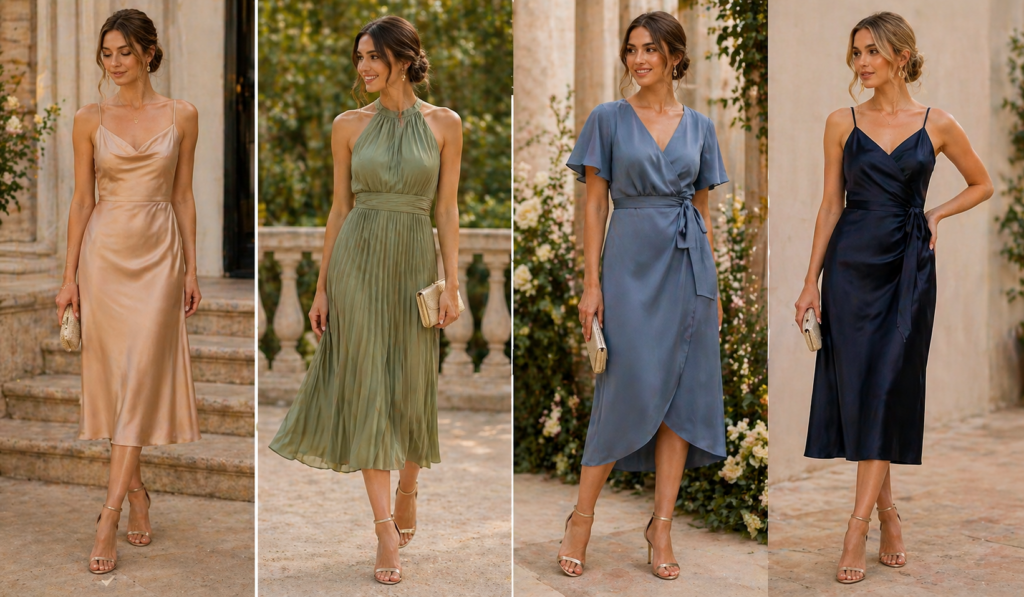
Option 1: The Midi Dress (My Personal Favorite) hits the perfect formality level every time. I choose midi length dresses that fall below my knee but above my ankle in flattering silhouettes like A-line, fit-and-flare, or wrap styles. Elevate fabrics like silk, chiffon, crepe, and satin make the difference between casual and wedding-appropriate. I stick to solid colors or subtle patterns that photograph well. This formula works because it suits both day and evening weddings, feels comfortable for hours of celebrating, and looks appropriate without trying too hard. I own five midi dresses specifically for weddings because this style never fails me. I pair these with heels or dressy flats, add statement earrings for polish, and carry a small clutch or evening bag to complete the look.
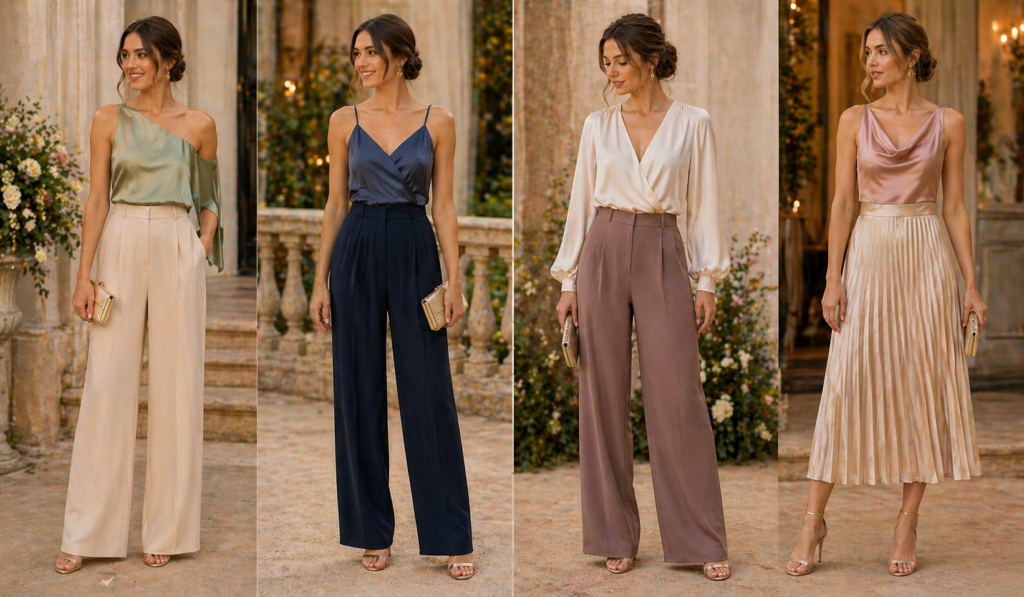
Option 2: Dressy Separates (For Those Who Avoid Dresses) offer versatility I love. My combination includes a silk or satin blouse that feels feminine but not casual, tailore dress pants or a midi skirt in complement colors, and sometimes a blazer for extra polish at daytime events. Fabric choice makes separates work for weddings I choose elevate materials like silk, satin, and quality knits while avoiding cotton or jersey that read too casual. I choose this option for fall or winter weddings when I want more coverage, outdoor weddings with uncertain weather, and anytime I want versatility that lets me adjust to temperature changes.
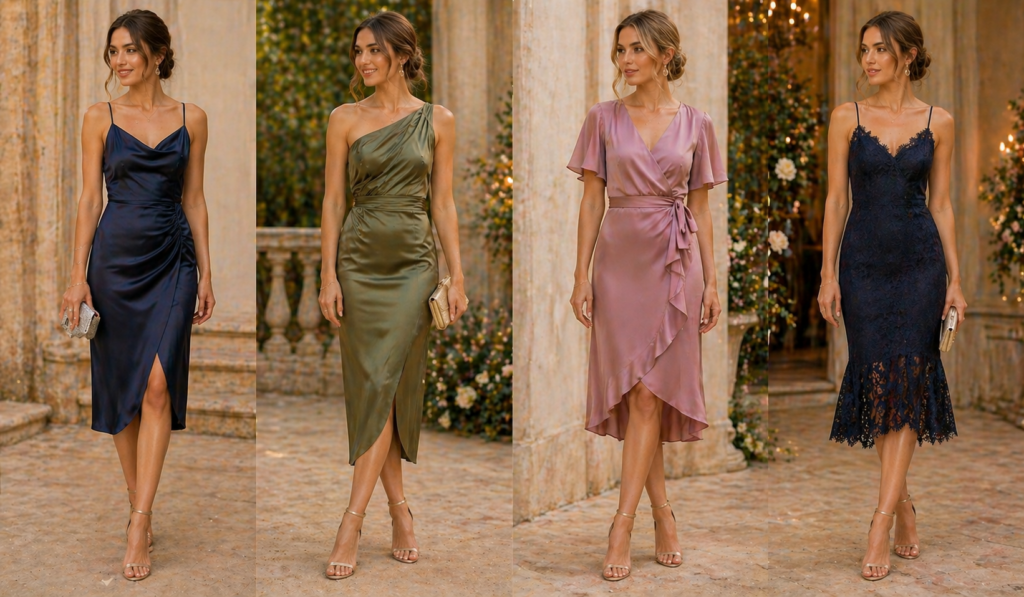
Option 3: The Cocktail Dress works beautifully for evening semi-formal weddings. I look for knee-length or slightly above hemlines in sophisticate silhouettes that feel party-appropriate but not like clubwear. I think elegant, not sexy, when selecting cocktail dresses. My rules include keeping hemlines modest with no micro-minis, choosing structure fabrics that hold their shape, and avoiding anything too revealing or tight. Cocktail dresses work best for evening weddings where the atmosphere feels more celebratory.
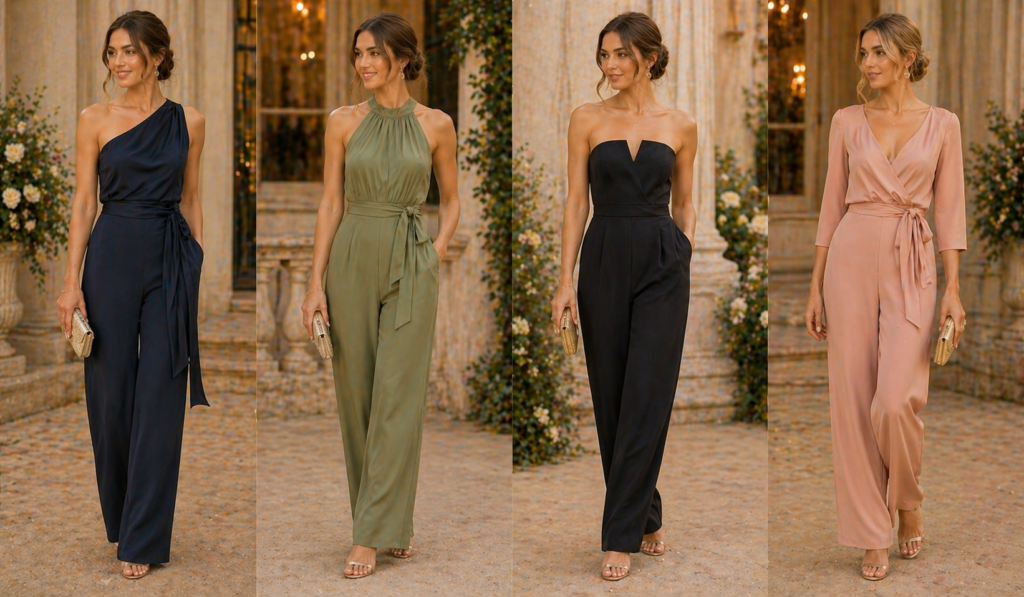
Option 4: The Jumpsuit (My Modern Choice) offers a fresh alternative to dresses that I genuinely love. Jumpsuits feel comfortable and chic, allow movement-friendly dancing, and make me feel modern and stylish. I look for tailor fit that flatters rather than anything baggy or casual, elevate fabric like silk or crepe and never denim or cotton, and dressy details like wide-leg cuts, belted waists, or interesting necklines. I always pair jumpsuits with heels to elevate the look and make it wedding-appropriate.
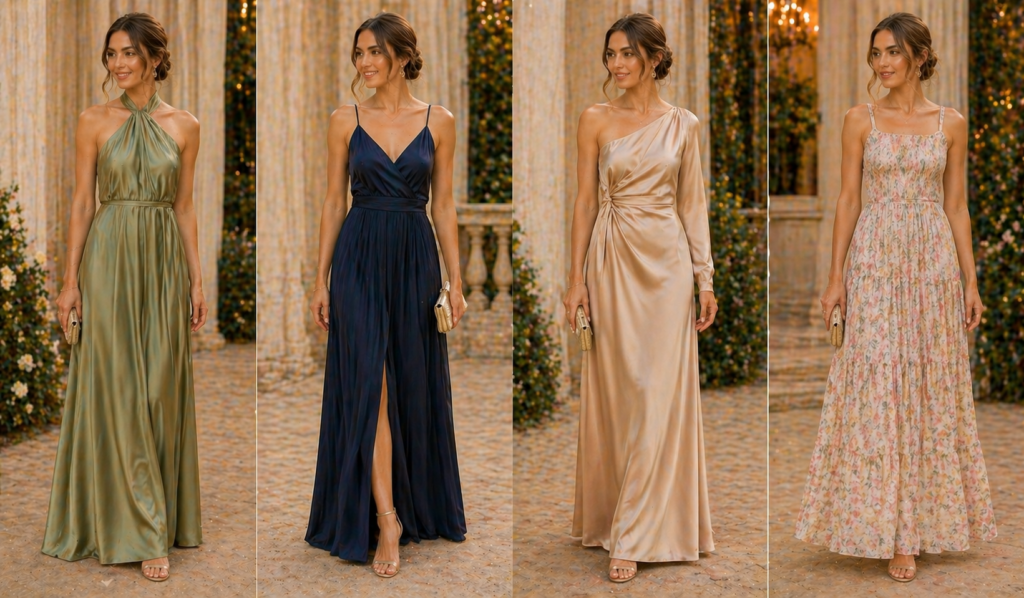
Option 5: Maxi Dress (With Caution) can work for semi-formal weddings but requires careful selection. I choose maxi dresses for destination or beach weddings, summer evening weddings where they feel seasonally appropriate, and only when the fabric is formal like flowy chiffon rather than casual jersey. What I avoid completely: casual cotton maxis that look too informal, beach cover-up styles that read vacation rather than wedding, and anything too bohemian that misses the semi-formal mark. I save casual maxis for brunch, not weddings.
My color guidance includes avoiding white, cream, and ivory completely because that is the bride’s territory. I skip black for daytime spring and summer weddings when it feels too heavy. I choose jewel tones, pastels, and rich colors that photograph beautifully. When the invitation states specific color preferences or themes, I always follow them.
I help my partner dress for weddings all the time here is what works consistently.
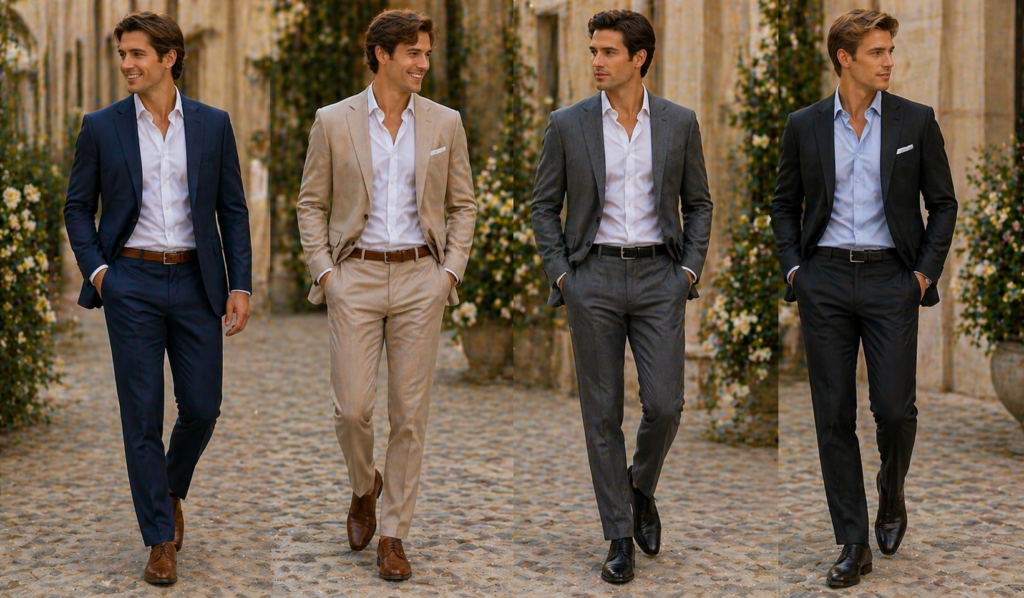
Option 1: Suit Without Tie (My Top Recommendation) creates the perfect semi-formal look. The formula includes a well-fit suit in navy, charcoal, or gray, a crisp dress shirt in white or light blue as classics, no tie necessary though acceptable if wanted, and dress shoes like oxfords or loafers. This works because it looks polish but not overly formal, feels comfortable for long events, and suits both day and evening weddings appropriately. This is my go-to suggestion every single time someone asks. I recommend adding a pocket square for extra polish, suggesting a watch or subtle jewelry for personality, and skipping the tie because it feels modern and appropriate. He looks sharp without feeling stiff in this combination.
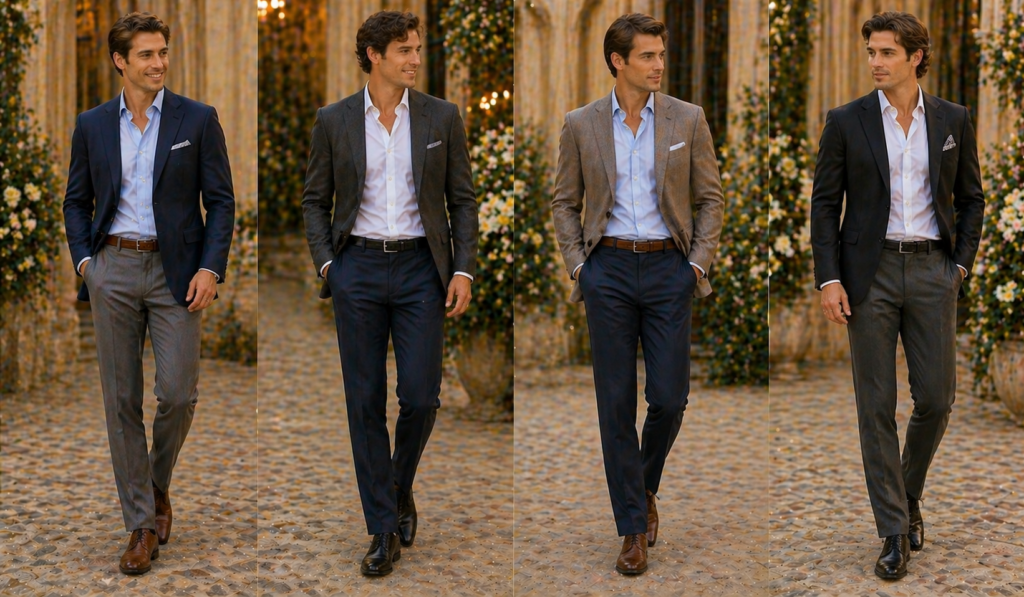
Option 2: Blazer and Dress Pants (Dressy Separates) work when a full suit feels like too much. I choose a sport coat or blazer in navy, gray, or tan, dress pants in a complement color, a dress shirt where he can skip the tie, and leather dress shoes to complete the outfit. This works best for daytime weddings, outdoor venues where full suits feel heavy, and warmer weather events where breathability matters. This option feels less formal than a full suit but still polish and wedding-appropriate.
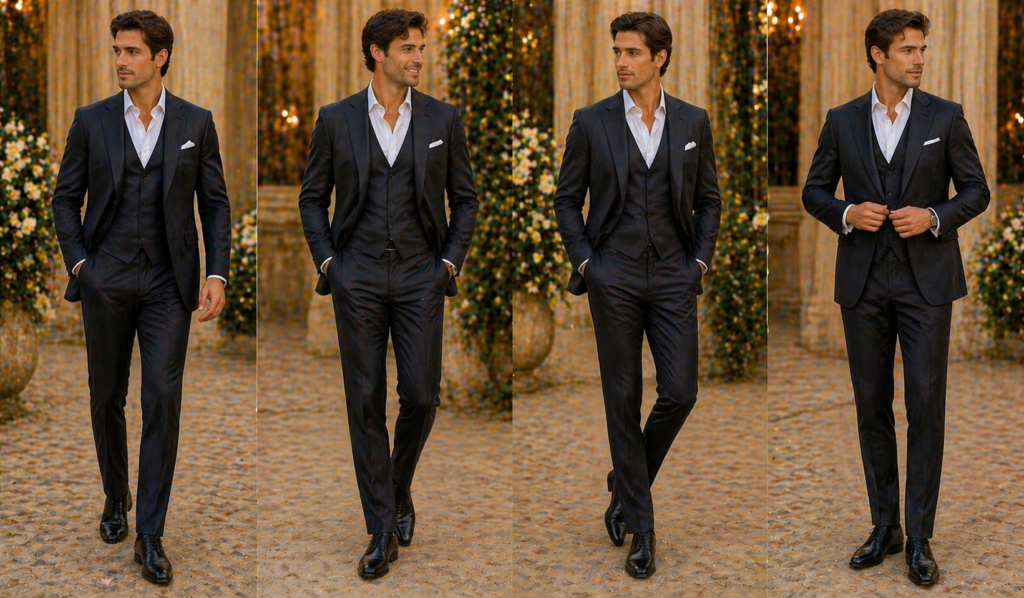
Option 3: Three-Piece Suit (For Extra Polish) elevates the look when the occasion calls for it. I recommend this for evening weddings where elegance matters, fall or winter seasons when the vest adds warmth, and anytime someone wants to impress without going full black-tie. I suggest keeping colors classic in navy, charcoal, or deep gray, avoiding overly trendy patterns that date quickly, and choosing quality fabric that looks expensive. The vest adds sophistication that makes the outfit feel special.
What I tell men to avoid completely: jeans of any kind because they never work at semi-formal weddings, casual khakis or chinos that feel too informal, sneakers or boat shoes when dress shoes are require, short-sleeve dress shirts when long sleeves are the standard, and loud or novelty ties when classic choices always win. When in doubt, I say go slightly dressier rather than risking too casual.
Seasonal adjustments matter for men too. Summer weddings allow lighter suit colors like tan or light gray, while winter weddings call for darker suit colors like navy or charcoal. Fabric weight matters significantly I recommend linen for summer comfort and wool for winter warmth.
I adjust my semi-formal wedding attire base on the season and weather conditions.
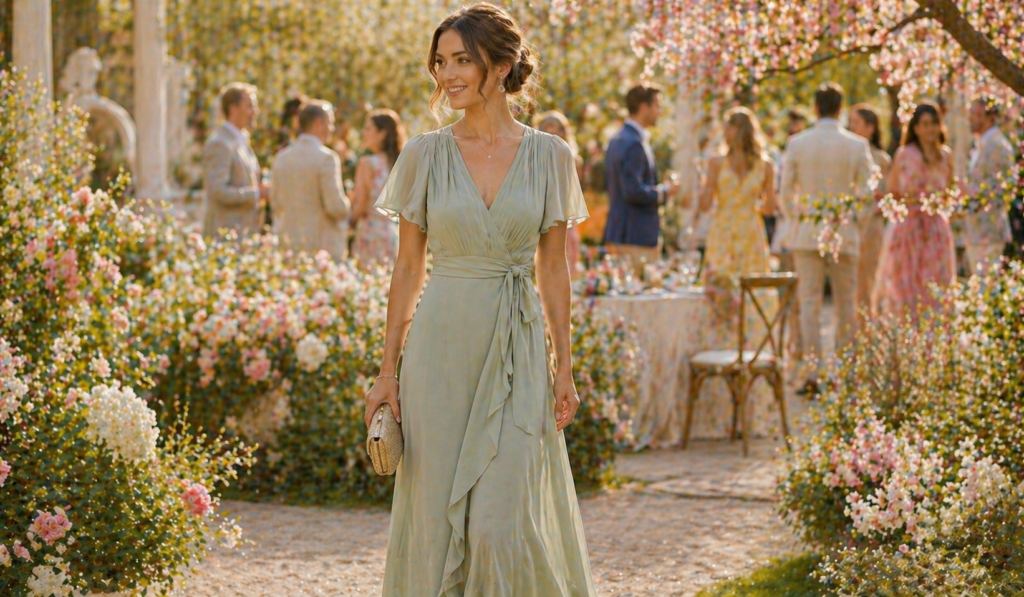
Spring Weddings (March through May) call for light, breathable fabrics like chiffon, crepe, and lightweight silk. I choose pastel colors or floral prints that celebrate the season, midi or knee-length dresses that feel fresh, and open-toe heels or dressy sandals when temperature allows. My spring formula includes a floral midi dress in soft pink or lavender, nude or metallic heels that elongate my legs, and a light shawl or wrap because spring evenings can turn cool quickly. I embrace romantic, fresh spring vibes that match the season.
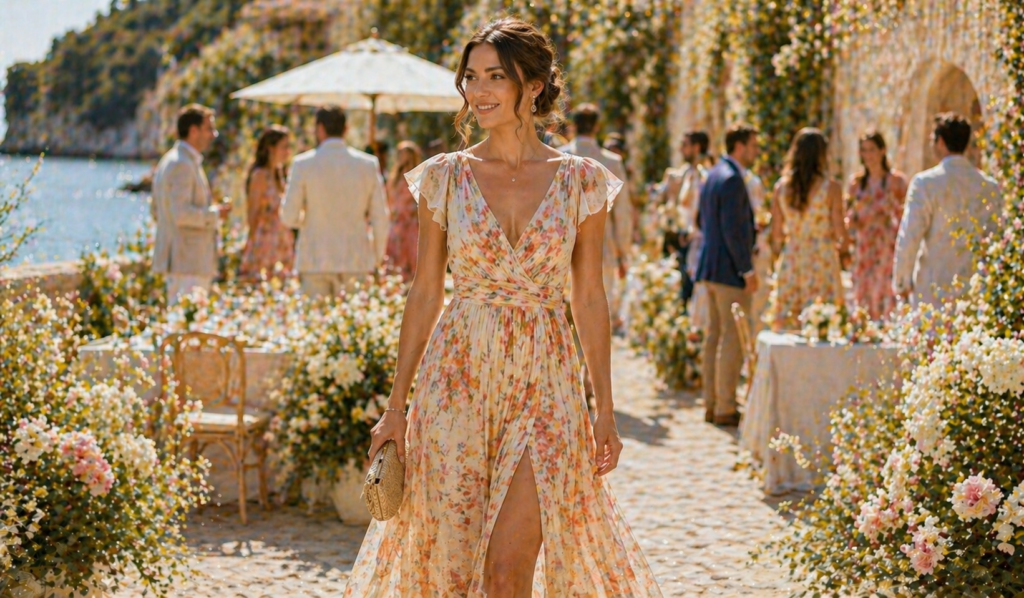
Summer Weddings (June through August) require strategic planning for heat. I choose breathable fabrics like cotton blends, linen blends, and silk that allow air circulation. Lighter colors work best pastels and bright jewel tones that do not absorb heat. I consider indoor air conditioning and bring a light jacket because venues often blast cold air. I plan for heat but prepare for cold indoor temperatures. Sleeveless or short-sleeve styles keep me cool, natural fiber fabrics breathe better than synthetics, and lighter shoes like strappy sandals feel comfortable. I avoid heavy fabrics that make me sweat through outdoor ceremonies.
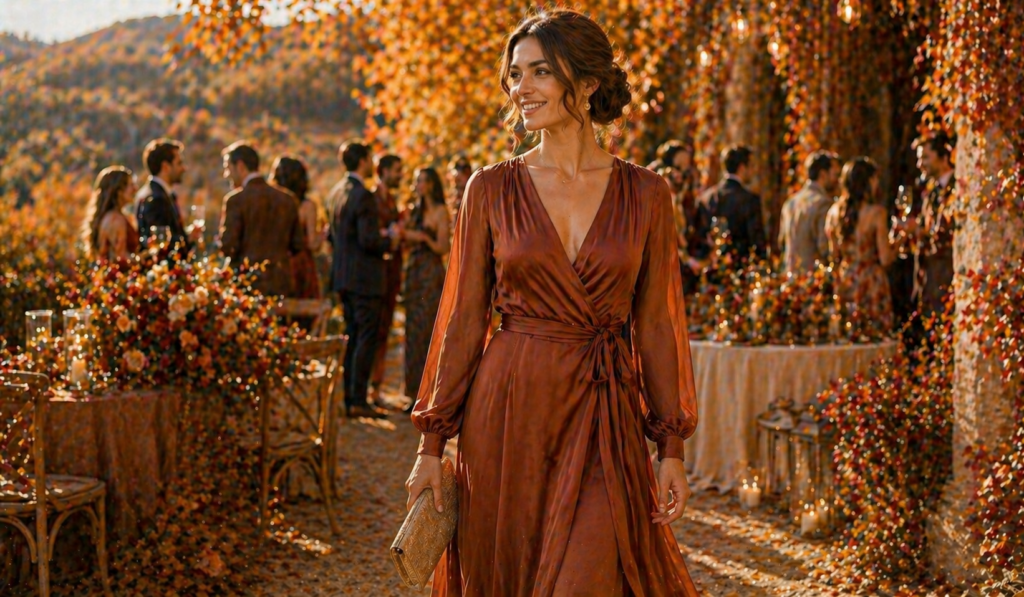
Fall Weddings (September through November) let me embrace richer fabrics like velvet, heavier silk, and crepe. I choose deeper colors including burgundy, emerald, navy, and plum that suit autumn. Long sleeves or three-quarter sleeves feel seasonally appropriate, and closed-toe shoes become necessary as temperature drops. My fall formula includes a velvet midi dress in a jewel tone, metallic or nude heels for polish, and statement earrings because fall weddings let me accessorize more. Fall weddings are honestly my favorite for rich, elegant looks that photograph beautifully.
Winter Weddings (December through February) require dressing warm while maintaining elegance. Heavy fabrics like velvet, brocade, and heavy satin provide warmth and luxury. Dark, rich colors work best emerald, burgundy, navy, and even black becomes acceptable for winter events. Long sleeves are mandatory for comfort, and closed-toe shoes are always necessary. I choose an elegant coat or wrap for outdoor photos between ceremony and reception, layer appropriately underneath, and embrace darker, dramatic colors. Winter weddings let me wear my most dramatic looks without feeling overdress.
The right accessories transform good outfits into great ones and show I put thought into my appearance.
Shoes I Choose make or break the outfit. Heels or dressy flats work for women I never wear sneakers regardless of how nice they claim to be. Dress shoes like oxfords, loafers, or monk straps suit men perfectly. I consider the venue carefully because grass weddings mean I need block heels or wedges for stability. I always bring backup flats in my car for dancing later in the evening.
Jewelry I Add requires restraint and intention. I choose statement earrings or a delicate necklace, never both at once because that overwhelms. A simple bracelet or watch adds polish without distraction. I keep everything elegant rather than costume-y or overly trendy. Less is genuinely more I choose one statement piece and keep everything else subtle.
Bags I Carry should match the formality of my outfit. Small clutches or evening bags feel appropriate and elegant. Cross-body bags work if I absolutely need hands-free convenience. I avoid large totes or casual bags that ruin the elegant line of my outfit completely. Big purses honestly ruin otherwise perfect wedding guest looks.
Outerwear I Bring depends on weather and venue location. Elegant wraps, shawls, or blazers match my outfit formality. I avoid puffer jackets or casual coats that clash with dressy attire. I check weather forecasts and venue location beforehand so I prepare appropriately without last-minute stress.
Hair and Makeup require intentional effort. I style hair purposefully rather than just leaving it down and plain. I wear polish makeup that shows I care about the occasion. I put in effort because weddings are special events that deserve my best presentation.
I see these errors often at weddings here is what I avoid completely.
Mistake 1: Wearing White or Cream breaks the cardinal wedding guest rule. I never compete with the bride in any shade that could photograph white. I skip ivory, off-white, and champagne entirely. This rule is absolutely non-negotiable for me regardless of how beautiful the dress might be.
Mistake 2: Being Too Casual ruins the semi-formal vibe instantly. Jeans never work, not even dark designer jeans with a blazer. I avoid casual fabrics like cotton jersey or thin knits. When I question whether something is too casual, it probably is, and I choose something dressier.
Mistake 3: Going Over-the-Top Formal misses the semi-formal mark in the opposite direction. Floor-length ball gowns feel too formal for semi-formal events. I save those dramatic pieces for black-tie galas. I remember this is semi-formal, not formal, and adjust my choices accordingly.
Mistake 4: Ignoring the Venue creates practical disasters. Beach weddings in stiletto heels equal twisted ankles and misery. I match my shoes and outfit to the setting practically. I consider practical elements like grass, sand, or cobblestones when selecting footwear.
Mistake 5: Uncomfortable Shoes ruin the entire experience. I wear shoes I can actually walk in for hours. I break in new shoes before the event by wearing them around my house. Limping through a wedding ceremony and reception ruins everything, so comfort matters alongside style.
Mistake 6: Skipping Grooming Details makes even expensive outfits look careless. Wrinkle clothing looks terrible in person and photographs. I iron or steam everything before wearing. I polish shoes until they shine. Details matter significantly at weddings where everyone looks their best.
I stress about semi-formal wedding attire for years until I finally understand the formula through experience and practice. Now I dress confidently for every wedding invitation that comes my way without second-guessing my choices.
You have the tools now: complete outfit formulas, seasonal guidance, accessory tips, and mistake warnings. Semi-formal sits in that elegant middle ground polish and put-together without full formal drama.
I encourage you to choose an outfit that makes you feel confident and comfortable. When you look good, you enjoy the celebration more and focus on what truly matters celebrating love.
Now go celebrate love in style. You will look amazing.
You will also like the homemade body wash.


Kesha Smith is a lifestyle blogger passionate about simple living, healthy habits, and everyday inspiration. On this website, you’ll find